

Data Centre Structural Analysis Services
ENA2 provides structural analysis services for modular data centre structures, equipment skids, steel and cold-formed framing, connections, equipment supports, seismic and anchorage conditions, lifting and transportation.
Evaluate load paths, structural response, local details and temporary or site-specific loading conditions before fabrication, installation, transportation or modification.
Structural Analysis for Modular Data Centre Projects
Data centre modules, skids and equipment support structures can experience different structural demands during fabrication, equipment integration, lifting, transportation, installation and their final supported condition. Site requirements can also change seismic, wind, snow, anchorage and support demands.
ENA2 uses structural analysis and the finite element method to evaluate system-level behavior and critical local details, helping project teams identify governing conditions and assess proposed changes before they are implemented.
Modular Data Centre Structure & Equipment Skid Analysis
Modular data centre structures and equipment skids can experience equipment, environmental and temporary loads under different project conditions. Structural analysis shows how these demands move through the framing and supports.
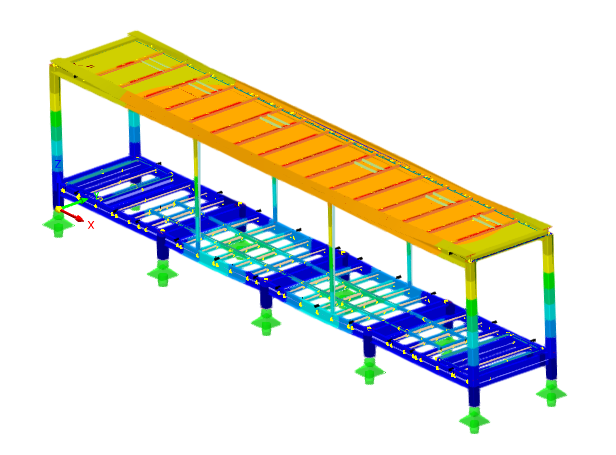
How Loads Move Through the Structural System
Determine the governing structural response, load paths and support demands, and identify the conditions controlling strength, stability and deformation.
Structural Steel, Cold-Formed Framing & Connection Analysis
Steel and cold-formed framing systems depend on individual members, connections and load-transfer details working together. Local structural conditions can govern even when the overall framing system remains acceptable.
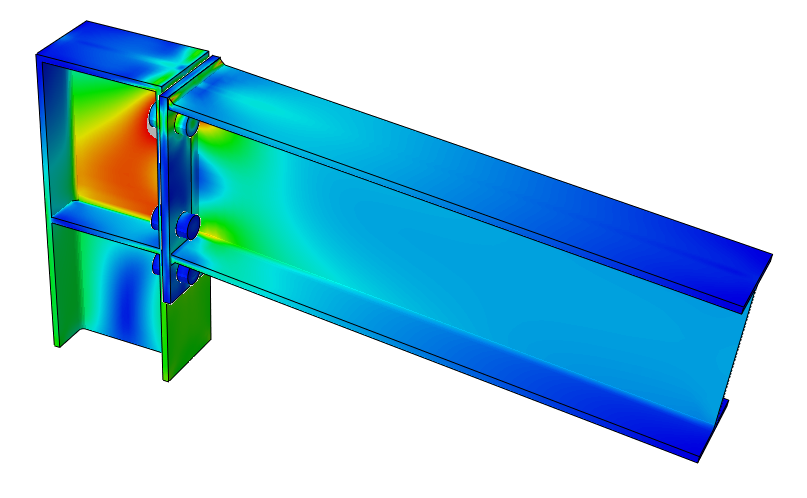
Which Members, Connections & Interfaces Control the Response
Determine how forces are transferred through the framing system and identify the members, connections and local details that require closer structural assessment.
Data Centre Seismic, Anchorage & Site Load Analysis
Project location, support conditions and installed equipment can change the structural demands acting on a module or equipment support system. A configuration suitable for one site may require reassessment at another.
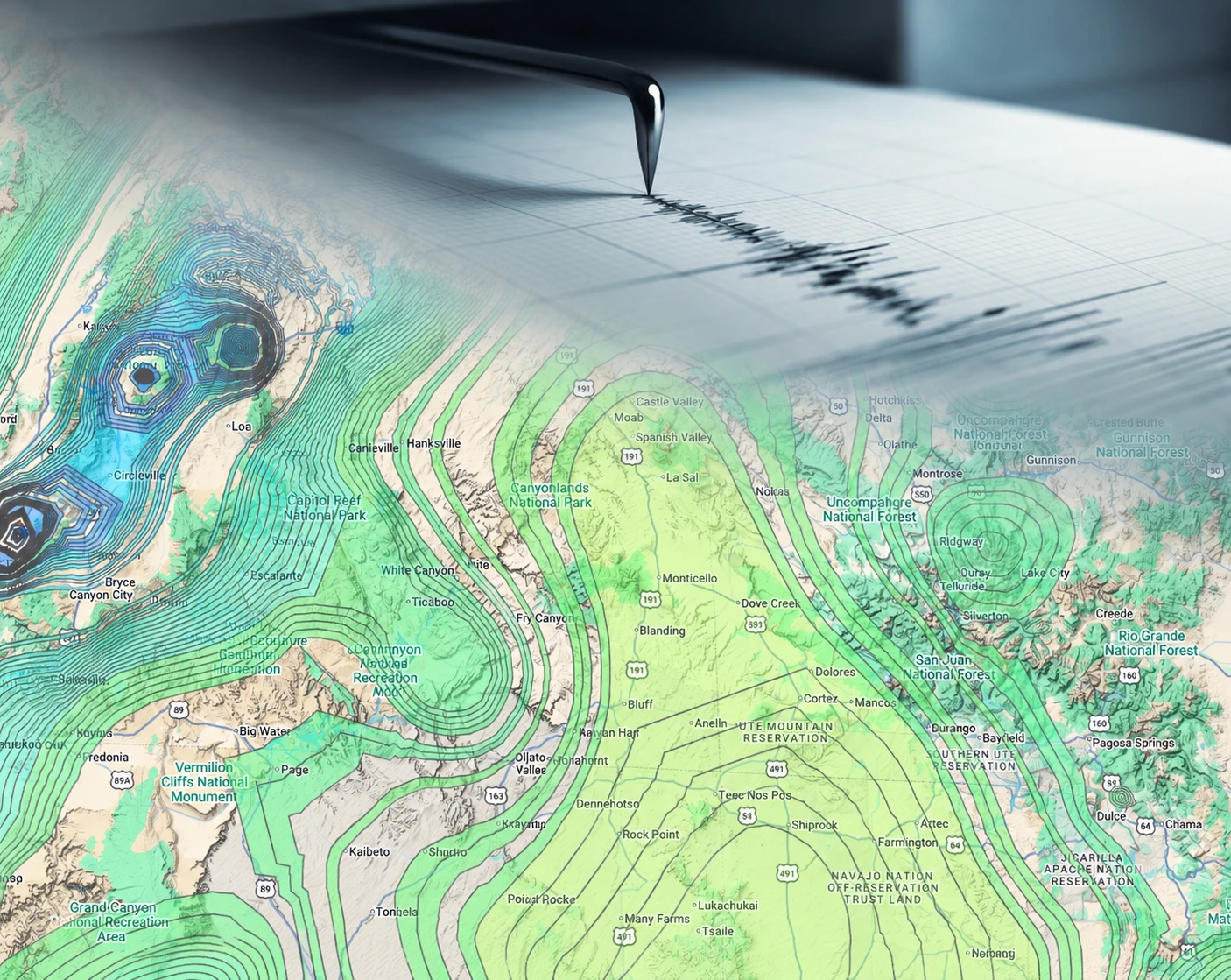
How Site Conditions Affect the Structure & Its Supports
Determine how seismic, environmental and support-related demands affect the structural system and identify the conditions governing the frame, anchorage and structural interfaces.
Lifting & Transportation Structural Analysis
During lifting and transportation, a modular structure may be supported or restrained differently from its final installed condition. These temporary conditions can create different load paths and structural demands.
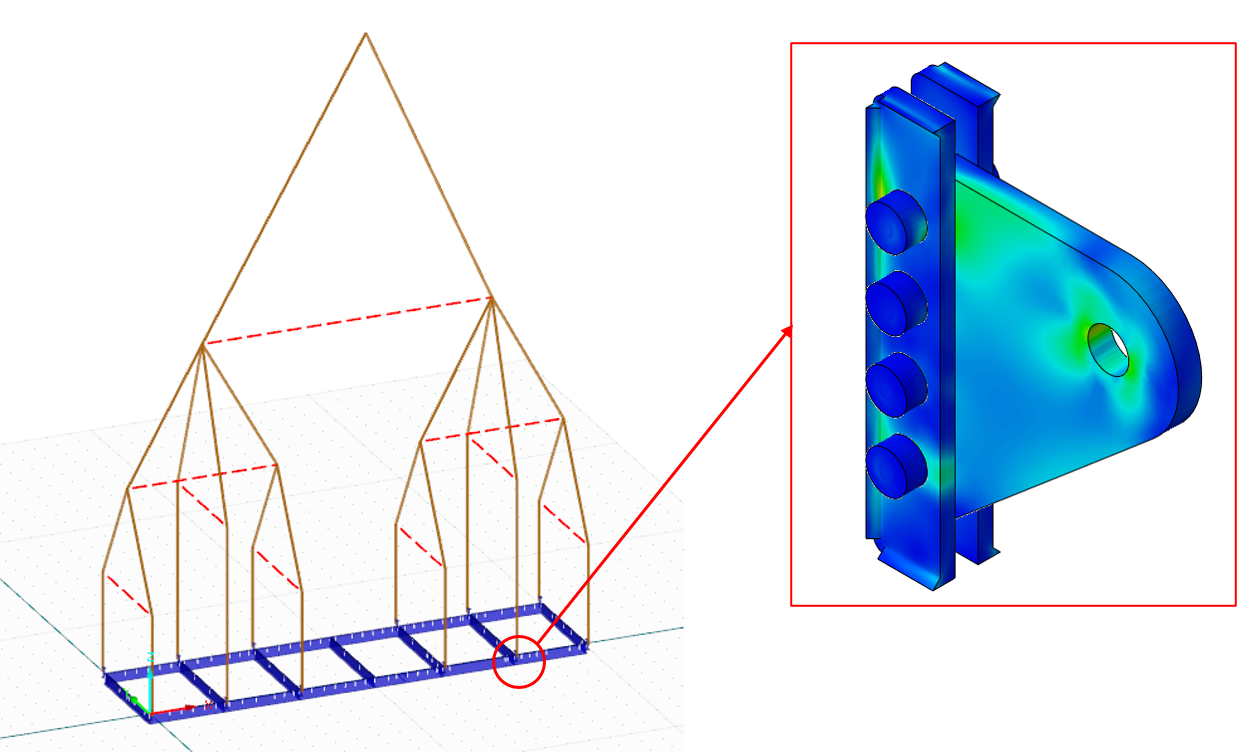
How Temporary Conditions Affect the Structural Response
Determine how lifting and transportation conditions affect the structure and identify the members, connections or local regions that control the response before the module reaches its permanent supports.
Equipment Support & Local Structural Analysis
Heavy or concentrated equipment loads can govern local framing, support members and connection regions even when the overall structure remains acceptable.
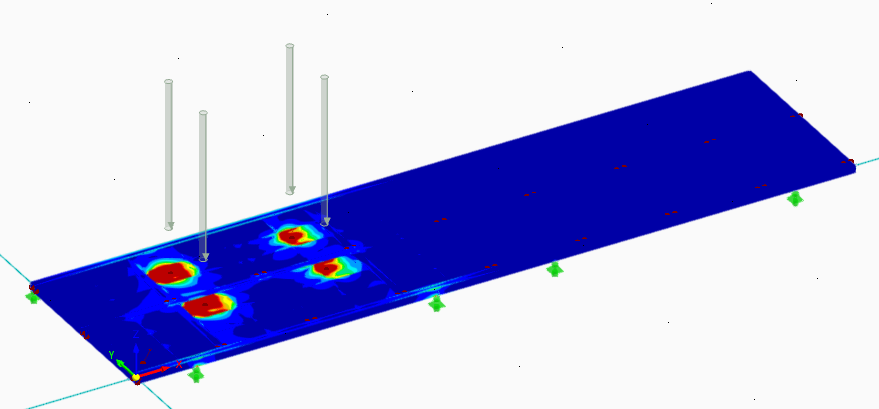
How Equipment Loads Transfer into the Supporting Structure
Determine how equipment loads are introduced into the framing and identify the local members, interfaces or connection details that govern the structural response.
From System-Level Structural Response to Critical Local Details
Structural problems are not always controlled by the same scale of response. ENA2 can evaluate the overall structural system first, then investigate the local members, connections or support regions that govern the result.
System-Level Structural Analysis
Evaluate how applied loads and structural demands move through the overall frame and support system.
- Load paths
- Member forces
- Support reactions
- Global stability
- Frame deflection
- Governing load cases
Critical Local Structural Assessment
Focus the analysis on structural regions where localized demand or load transfer controls the assessment.
- Connections
- Brackets
- Support interfaces
- Anchorage regions
- Hinges and openings
- Concentrated-load regions
One Structure Can See Different Load Conditions
Support conditions, applied loads and load paths can change as a modular structure moves from fabrication to its final installed condition. Analysis can be focused on the specific stages that govern the project.
Fabrication
Equipment Integration
Lifting
Transportation
Installation
Installed Condition
When to Use Data Centre Structural Analysis Services
Data centre structural analysis is most useful when a project has a defined load, support, site or modification question that needs to be evaluated before fabrication, transportation, installation or reuse.
New Modular Data Centre
How will the module or skid respond under the defined structural conditions?Evaluate global structural response before fabrication, equipment integration or installation decisions are finalized.
Equipment or Load Change
What changes when equipment becomes heavier, moves or uses a different support arrangement?Assess changed concentrated loads, support conditions and local structural demand before modifications are implemented.
Repeated Module at a New Site
Does the existing structural concept remain suitable under different site conditions?Reassess the structural system when seismic, wind, snow, anchorage or support conditions change.
Lifting & Transportation
Which temporary conditions govern before the structure reaches its final supports?Evaluate defined lifting and transportation configurations when temporary support conditions or load paths differ from the installed condition.
Existing Structure or Modification
How will a proposed framing, support or connection change affect the structural response?Investigate existing structural concerns or assess proposed changes to framing, supports, interfaces or equipment conditions.
What You Receive from a Structural Analysis
Deliverables are structured around the agreed structural scope and the engineering question the analysis is intended to resolve.
Model & Load Case Definition
Geometry, materials, supports, equipment loads and applicable structural conditions included in the model.
Structural Analysis Results
Relevant member forces, reactions, stresses, deflections and structural utilization where applicable to the agreed scope.
Governing Conditions
The load cases, structural regions or support conditions controlling the assessment.
Engineering Assessment & Recommendations
Interpretation of the analysis, identified concerns and practical next steps within the agreed structural scope.
Structural Analysis for Canadian & United States Project Requirements
Applicable structural criteria depend on project location, structural system, materials and the defined analysis scope. Project-specific criteria and client requirements can be incorporated into the assessment.
Canada
- National Building Code of Canada, where applicable
- Applicable provincial or territorial building requirements
- CSA S16 for structural steel, where applicable
- CSA S136 for cold-formed steel, where applicable
- CSA A23.3, where applicable
United States
- International Building Code, where applicable
- ASCE 7, where applicable
- AISC 360 for structural steel, where applicable
- AISI S100 for cold-formed steel, where applicable
- ACI 318, where applicable
Applicable codes, editions and project criteria are established based on the specific project location, structural system and agreed scope of work.
What We Need to Start a Structural Analysis
Existing drawings, models and available load information are often enough to begin defining the structural analysis scope.
The exact inputs depend on the structure, project condition and the engineering question being evaluated.Structural Geometry
Drawings, CAD geometry or available structural models.
Member & Material Information
Section properties, materials and available framing information.
Equipment Loads
Equipment weights, locations and structural support points.
Support Conditions
Supports, restraints and structural interfaces included in the study.
Site Information
Project location and applicable seismic or environmental criteria.
Temporary Conditions
Lifting or transportation configuration where relevant to the analysis.
Data Centre Structural Analysis FAQ
Common questions about modular data centre structural analysis, framing, seismic conditions, lifting, transportation and equipment supports.
What is data centre structural analysis?
Data centre structural analysis evaluates how a structure, module, skid or equipment support responds to defined loads, support conditions and structural requirements. The scope can include system-level response and critical local structural details.
Can ENA2 analyze modular data centre structures and equipment skids?
Yes. The analysis can include global frame response, load paths, member forces, support reactions, stability and deflection for the defined module or skid configuration.
Can ENA2 analyze structural steel, cold-formed framing and self-framing panels?
Yes. Structural steel, cold-formed framing and self-framing panels can be evaluated where they form part of the project structural system and agreed analysis scope.
Can connections and local structural details be included?
Yes. Critical connections, brackets, support interfaces and other local regions can be included where they are relevant to the analysis scope.
Can ENA2 evaluate seismic and anchorage conditions?
Yes. Structural response under defined seismic and anchorage-related conditions can be evaluated based on the project location, support conditions and applicable criteria.
Can lifting and transportation conditions be analyzed?
Yes. Defined lifting and transportation configurations can be evaluated where temporary supports, restraints or load paths differ from the final installed condition.
Can an existing or repeated module be reassessed for a different site?
Yes. A repeated or existing module can be reassessed when seismic, wind, snow, anchorage, support or equipment conditions change.
What information is needed to start a data centre structural analysis?
Typical inputs include drawings or geometry, member and material information, equipment weights and locations, support conditions, project location and any temporary lifting or transportation conditions relevant to the study.
Have a Data Centre Structure or Module to Evaluate?
Send us the structural information you already have. Our engineering team can review the structure, loads and project conditions and help define the structural analysis required for your project.