Piping Stress Analysis
High-Integrity Pipe Stress Engineering Backed by Standards and Advanced Analysis Tools
ENA2 provides industry-recognized expertise in pipe stress analysis, ensuring the structural integrity and flexibility of piping systems under a wide range of operating and environmental conditions. Our engineers evaluate stress levels against global standards such as ASME B31.3, B31.1, and B31.8 to prevent failures and ensure full code compliance.
As experienced engineering consultants in Calgary, we support industrial clients with practical, data-driven solutions that enhance safety and long-term performance.
Piping systems are critical to industrial facilities, transporting fluids under pressure and temperature conditions that demand precise engineering. Even minor design issues can result in excessive stress, equipment damage, or costly shutdowns. Early evaluation during the design phase helps identify potential risks and avoid expensive rework.
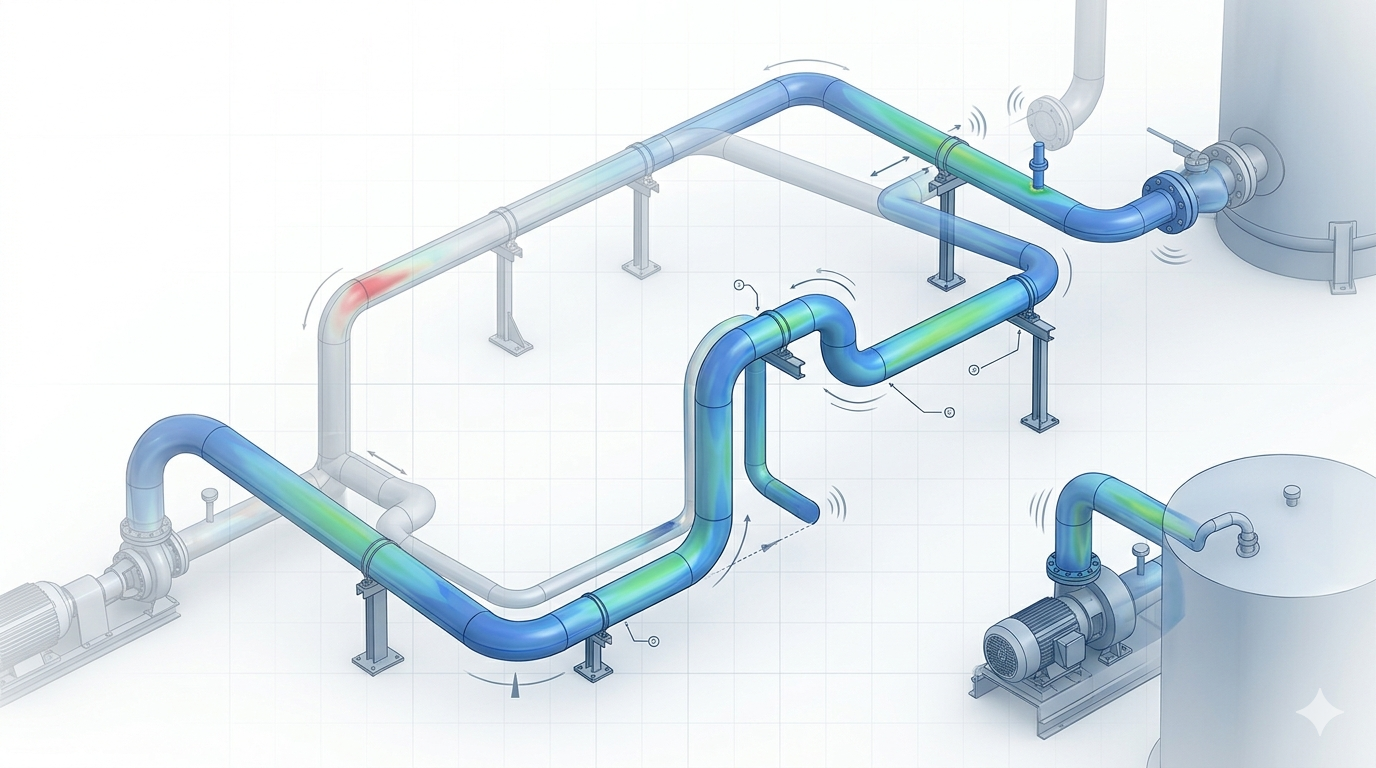
Our Piping Stress Analysis services assess sustained, thermal, operating, and occasional loads to confirm systems perform safely under real-world conditions. Using advanced modeling techniques and trusted Piping Analysis Software such as CAESAR II, we simulate actual operating environments to evaluate stress distribution, support reactions, and equipment loads with accuracy.
With experience across diverse industries and complex systems, ENA2 delivers reliable, code-compliant analysis that enhances safety, protects assets, and supports long-term operational performance.
Our Piping Stress Analysis Services
We provide comprehensive piping stress analysis solutions tailored to complex industrial environments. Our services cover static, dynamic, thermal, and operational load evaluations to ensure safe, efficient, and code-compliant piping systems.
What is Piping Stress Analysis?
Piping Stress Analysis is a detailed engineering study used to evaluate how piping systems behave under different loading conditions. These loads may include:
- Internal pressure
- Thermal expansion and contraction
- Weight of pipes, fluid, and insulation
- Wind and seismic forces
- Equipment nozzle loads
- Vibration and dynamic effects
The objective is simple: ensure the piping system operates within allowable stress limits defined by international codes while maintaining structural integrity and equipment protection.
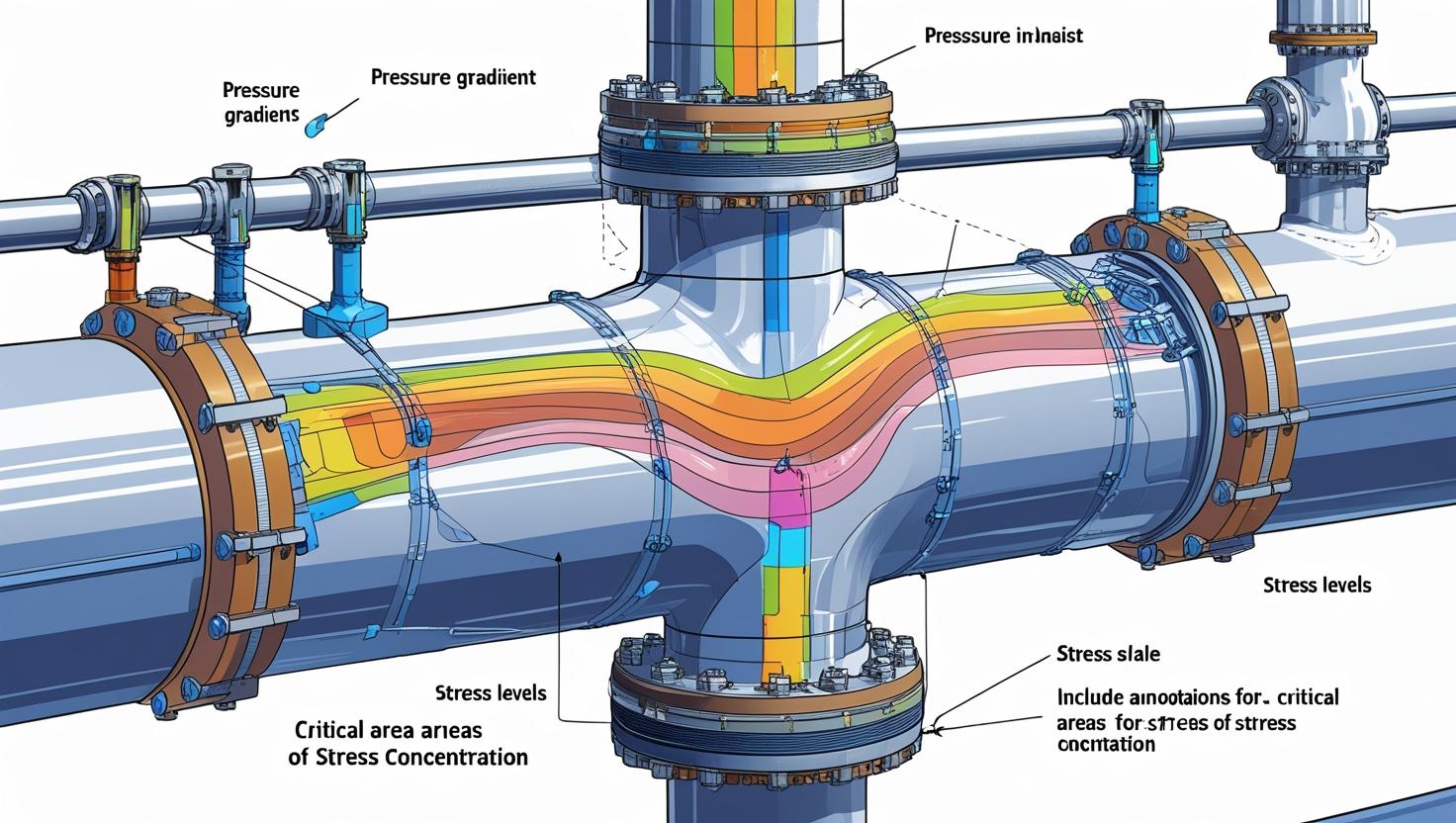
By simulating real-world operating conditions, stress analysis helps engineers prevent failures such as excessive displacement, flange leakage, fatigue cracks, and support overload.
Detailed Scope of Piping Stress Analysis
Our piping stress engineering covers a complete range of load cases and operational scenarios to ensure structural integrity and long-term performance.
Thermal Expansion & Flexibility Analysis
Temperature variations cause pipes to expand and contract. If this movement is not properly managed, it can lead to high stress concentrations and equipment damage. We analyze thermal growth and recommend flexibility solutions such as expansion loops, guides, and optimized support placement.
Sustained & Operating Load Analysis
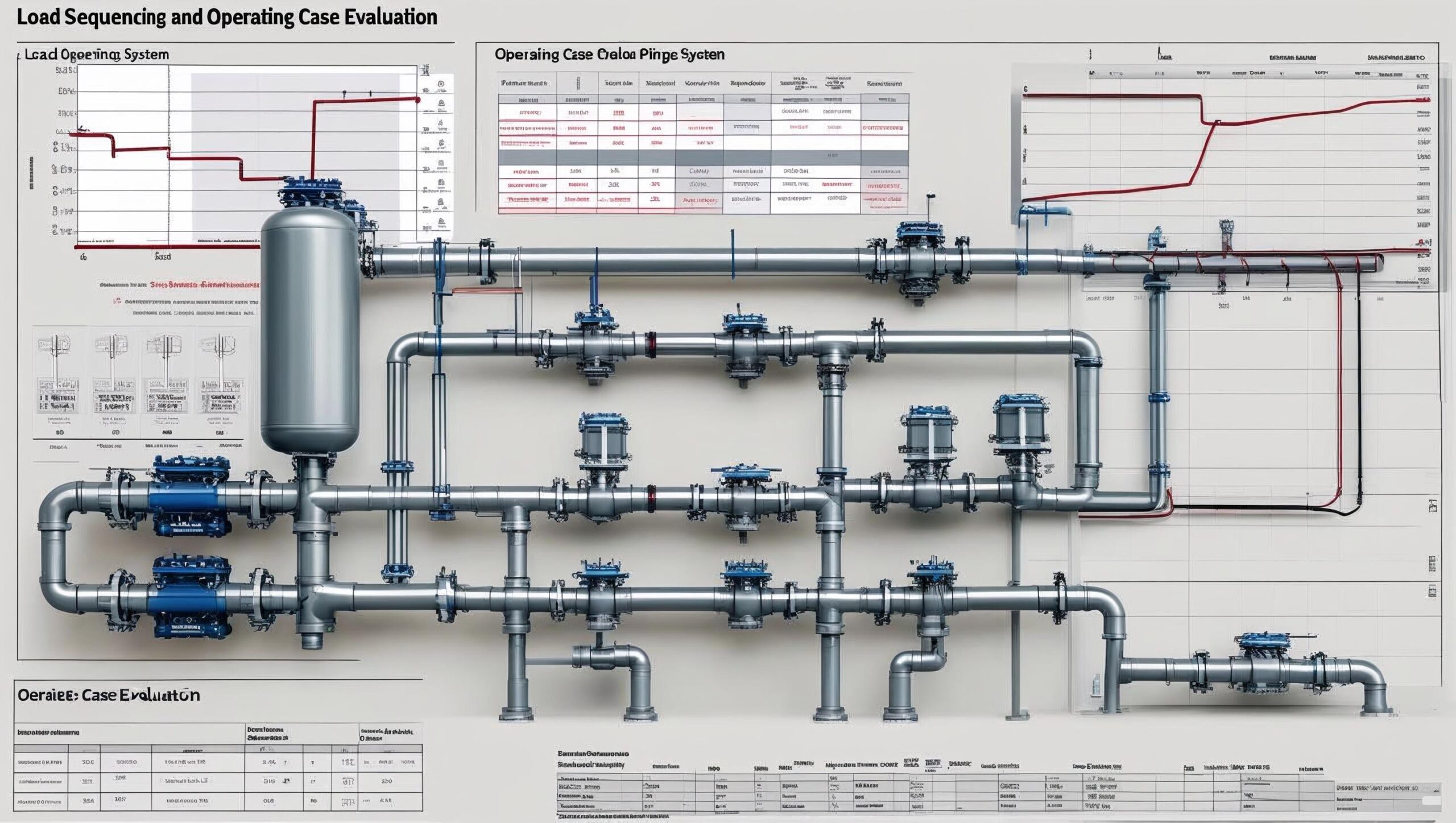
We evaluate stresses caused by sustained loads including pipe weight, internal pressure, insulation, and fittings. Operating load cases are assessed to confirm compliance with allowable limits under real service conditions.
Occasional Load Analysis (Wind & Seismic)
Piping systems must withstand unexpected forces such as wind loads or seismic events. We perform occasional load evaluations to ensure stability and safety under extreme conditions.
Equipment Nozzle Load Verification
Sensitive equipment such as pumps, compressors, turbines, and heat exchangers must not be subjected to excessive piping loads. We verify nozzle loads against vendor allowable limits and suggest corrective measures if required.
Support Load Calculations
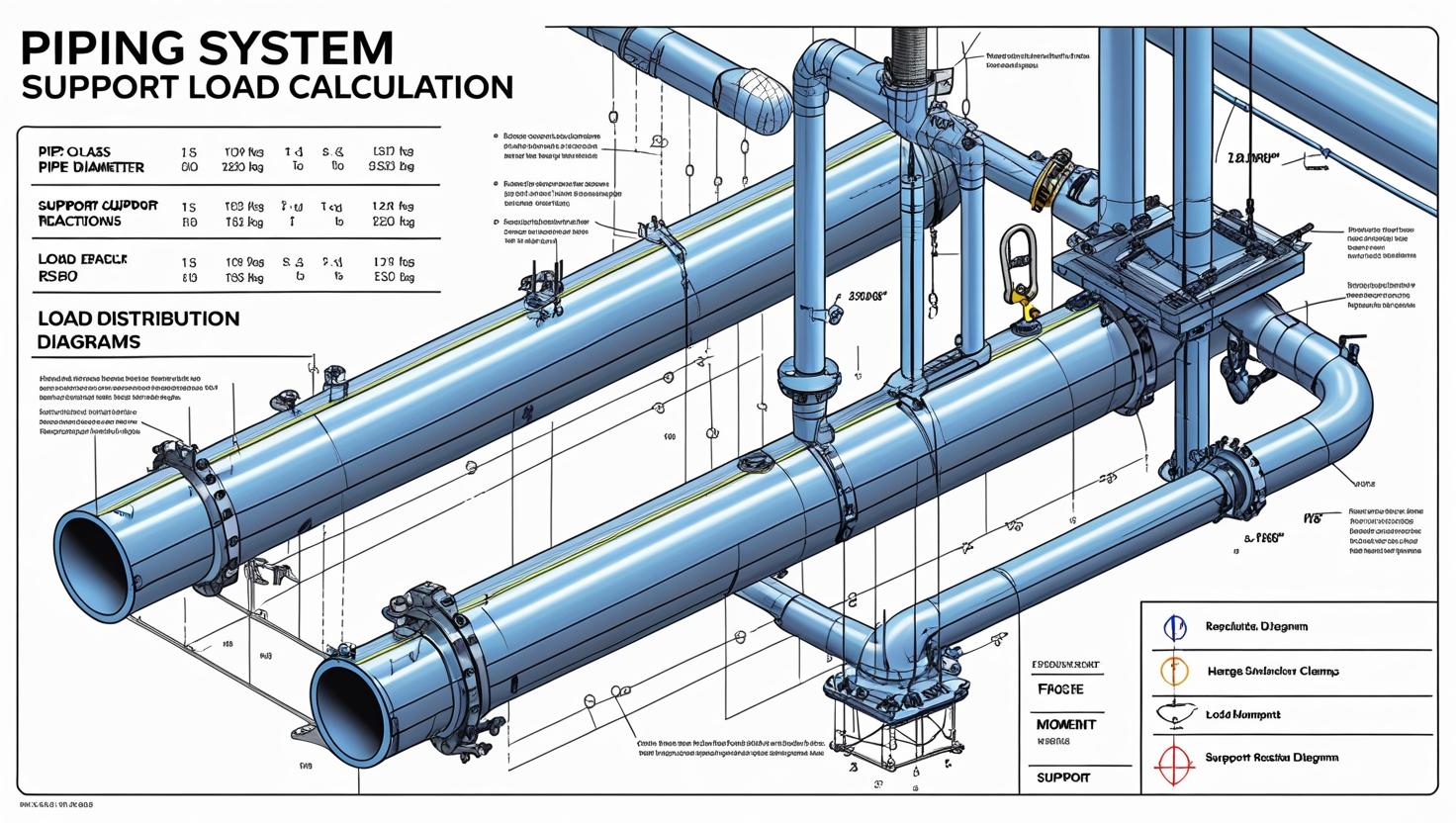
Correct support design is critical for maintaining piping alignment and flexibility. We calculate support reactions and loads to help structural teams design safe and efficient support systems.
Vibration & Dynamic Analysis
Flow-induced vibration, acoustic resonance, or rotating equipment interaction can lead to fatigue failure. Our analysis identifies vibration risks early and provides practical mitigation solutions.
Engineering Approach & Methodology
We follow a structured, detail-oriented approach to deliver accurate and dependable results.
1. Data Collection & Review
We begin by reviewing P&IDs, piping isometrics, layout drawings, line lists, equipment specifications, and operating parameters.
2. 3D Modeling
Using industry-recognized stress analysis software such as CAESAR II, we create an accurate piping model that represents actual routing, supports, restraints, and boundary conditions.
3. Load Case Definition
All relevant load cases are defined according to project specifications and applicable codes, including sustained, operating, expansion, and occasional loads.
4. Simulation & Evaluation
The model is analyzed to evaluate stress levels, displacements, support reactions, and nozzle loads. Results are carefully interpreted by experienced stress engineers.
5. Optimization & Recommendations
If overstress or excessive displacement is detected, we propose practical design improvements such as additional supports, layout modification, expansion loops, or spring supports.
6. Reporting & Documentation
We provide detailed stress reports, compliance summaries, load tables, stress isometrics, and clear recommendations suitable for client review and approval.
Codes & Standards Compliance
Our piping stress analysis services are performed in accordance with international standards including:
- ASME B31.1 – Power Piping
- ASME B31.3 – Process Piping
- ASME B31.4 & B31.8 (as applicable)
- Project-specific client standards
Ensuring compliance not only protects safety but also prevents regulatory and contractual issues during project execution.
Why Choose Our Piping Stress Analysis Services?
Improved Safety
Uncontrolled piping stress can result in leaks, ruptures, and structural failure. Our analysis helps eliminate these risks before commissioning.
Reduced Downtime
Optimized piping systems experience fewer operational issues, leading to improved plant reliability and reduced maintenance costs.
Cost Optimization
Early stress analysis reduces rework, prevents over-design, and ensures efficient support placement; saving both material and construction costs.
Equipment Protection
Proper stress control protects expensive rotating and static equipment from misalignment and premature failure.
Engineering Expertise
Our team combines software capability with real-world engineering judgment. We don’t just generate reports, we provide actionable insights that improve your design.
Client Benefits
Piping stress analysis is critical to ensuring the long-term safety, reliability, and efficiency of piping systems. By identifying and mitigating risks such as excessive stress, fatigue, and deformation, our analysis helps prevent failures, costly repairs, and unplanned shutdowns.
Beyond safety, a well-executed stress analysis optimizes design, reducing material and installation costs while improving operational performance. It also ensures compliance with key industry standards such as ASME B31.3 and API requirements, safeguarding both personnel and the environment.
Through ENA2’s comprehensive approach, clients gain confidence that their systems operate within safe limits, minimizing risk and maximizing lifecycle value.
Industries We Serve
We deliver piping stress engineering solutions across multiple sectors:
Each industry presents unique challenges, and our tailored analysis ensures safe, efficient, and code-compliant piping systems.
Partner With Us for Reliable Piping Systems
Whether you are designing a new plant, modifying an existing facility, or validating a critical line, our Piping Stress Analysis services provide the clarity and confidence you need.
From initial modeling to final compliance documentation, we support you at every stage of the project lifecycle.
Contact us today to discuss your piping stress analysis requirements and ensure your system performs safely and efficiently under all operating conditions.
FAQs – Piping Stress Analysis Services
1. Why is piping stress analysis important for industrial projects?
Piping systems operate under pressure, temperature fluctuations, and external forces that can create significant stress. Without proper engineering evaluation, these conditions may lead to leaks, equipment damage, or structural failure. A detailed stress review ensures the system remains safe, flexible, and compliant with applicable codes.
2. At what stage of a project should this analysis be performed?
It is best conducted during the detailed design phase — before fabrication and installation begin. Early evaluation allows engineers to optimize routing, supports, and flexibility, preventing costly modifications during construction or commissioning.
3. What codes and standards do you follow for piping stress analysis?
Our work is performed in accordance with internationally recognized codes such as ASME B31.1 (Power Piping), ASME B31.3 (Process Piping), and other project-specific standards. Compliance ensures safety, regulatory acceptance, and operational reliability.
4. What types of loads are considered in the evaluation?
We assess sustained loads (weight and pressure), thermal expansion effects, operating conditions, and occasional loads such as wind or seismic forces. Where required, dynamic and vibration effects are also reviewed to evaluate fatigue risks.
5. How do you protect equipment from excessive loads?
We verify forces transmitted to pumps, compressors, vessels, and heat exchangers against vendor allowable limits. If values exceed acceptable ranges, we recommend practical design adjustments such as rerouting, adding flexibility, or modifying supports.
6. What software tools do you use?
We use industry-recognized stress modeling software to build accurate 3D models and simulate real operating conditions. These tools allow us to evaluate stresses, displacements, support reactions, and equipment loads with high accuracy.
7. Can this service help reduce project costs?
Yes. Early evaluation prevents over-design, minimizes unnecessary supports, and reduces expensive rework during construction. It also lowers long-term maintenance costs by improving system reliability.
8. Do you provide support load data for structural design?
Yes. We calculate support reactions and provide load data to assist civil and structural teams in designing safe and efficient support systems.
9. When is vibration assessment required?
It is recommended for systems connected to rotating equipment, high-velocity lines, or those subject to cyclic operation. Identifying vibration risks early helps prevent fatigue failures and long-term operational issues.
10. Can you review and validate an existing system?
Absolutely. We offer reassessment and troubleshooting services for systems experiencing leaks, excessive movement, misalignment, or vibration. Our evaluation identifies root causes and provides corrective recommendations.
Case Studies
Interested in Piping Stress Analysis?
Ensure the integrity and compliance of
your piping systems with expert stress
analysis.