
Computational Fluid Dynamics CFD Services and Flow Simulation Capabilities
 Heat Exchanger Analysis
Flow distribution, thermal performance, pressure loss, and design improvement studies
Heat Exchanger Analysis
Flow distribution, thermal performance, pressure loss, and design improvement studies
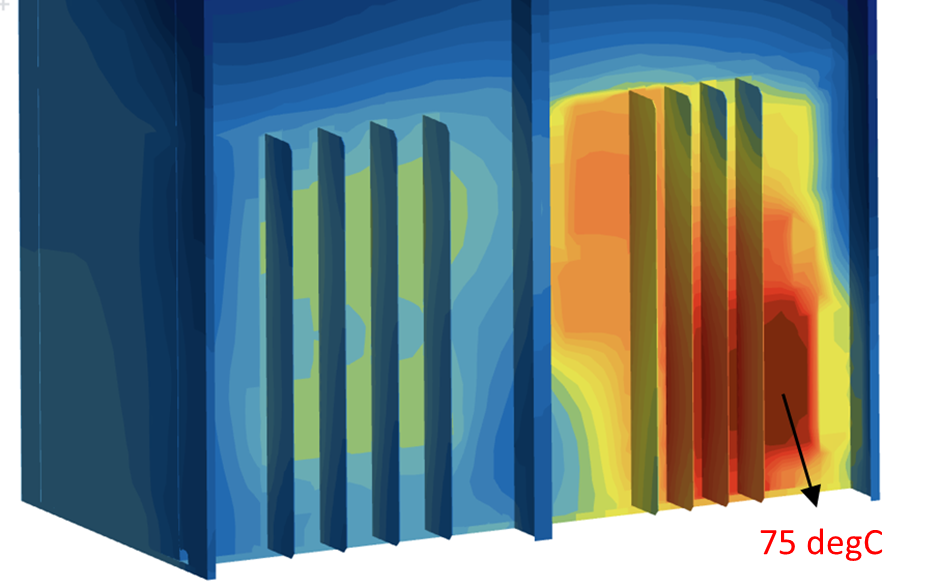 Thermal Analysis
Heat transfer, temperature distribution, cooling performance, and thermal risk review
Thermal Analysis
Heat transfer, temperature distribution, cooling performance, and thermal risk review
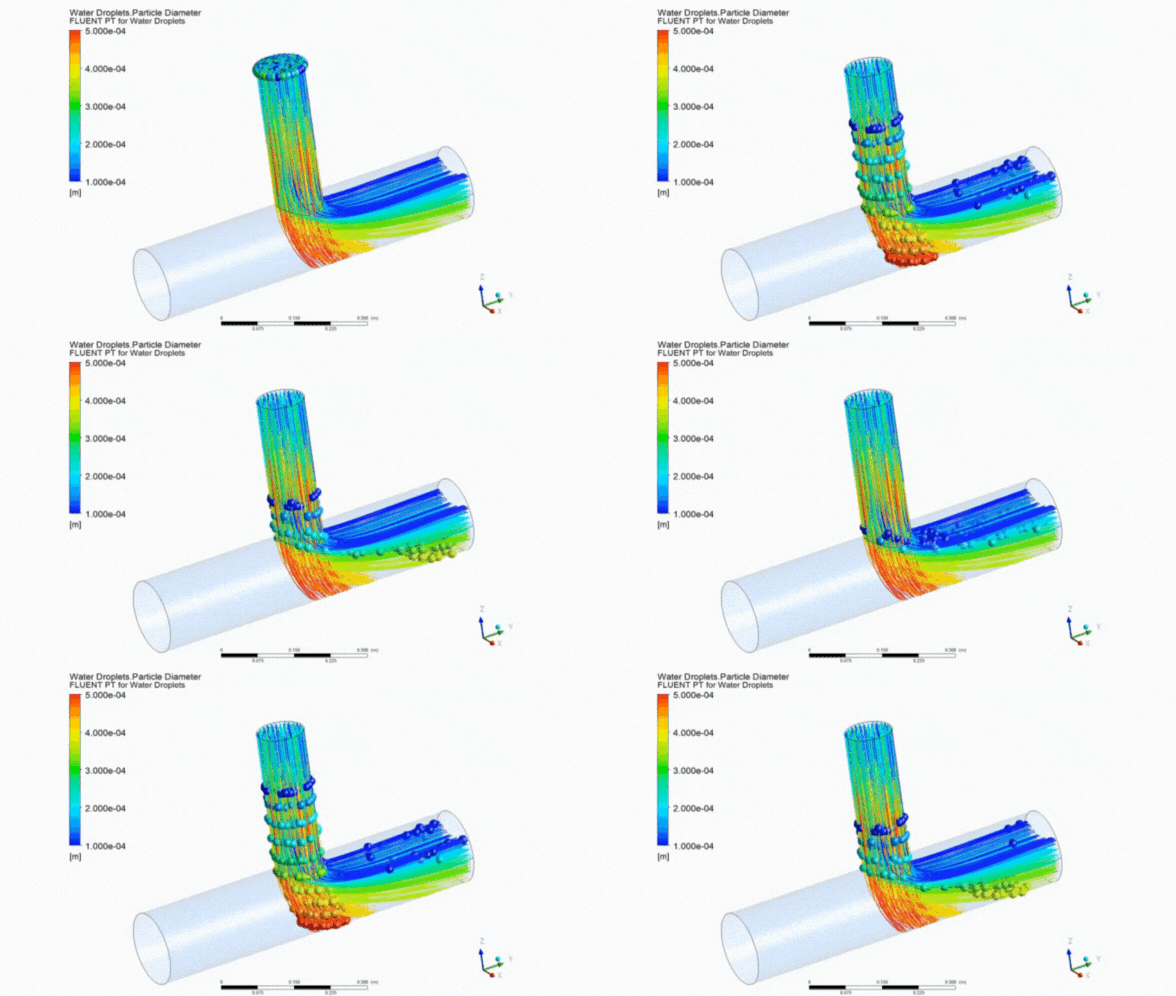 Erosion Analysis
Particle impact, wall wear, erosion-prone regions, and flow-driven material loss prediction
Erosion Analysis
Particle impact, wall wear, erosion-prone regions, and flow-driven material loss prediction
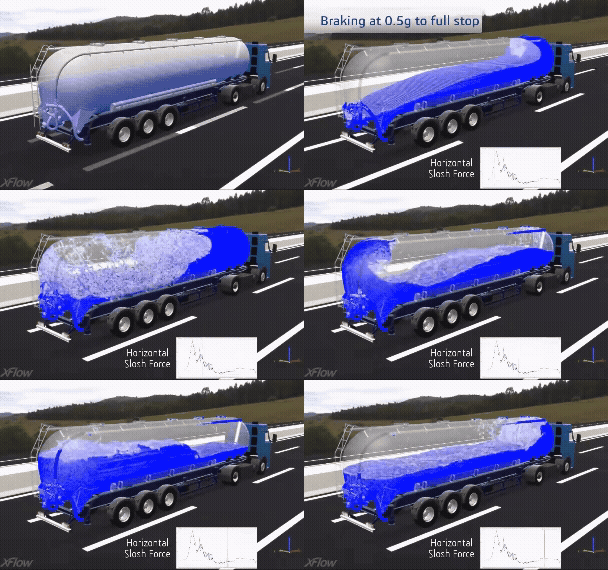 Multiphase Flow Analysis
Gas-liquid, particle-fluid, separation, mixing, and complex flow behavior simulation
Multiphase Flow Analysis
Gas-liquid, particle-fluid, separation, mixing, and complex flow behavior simulation
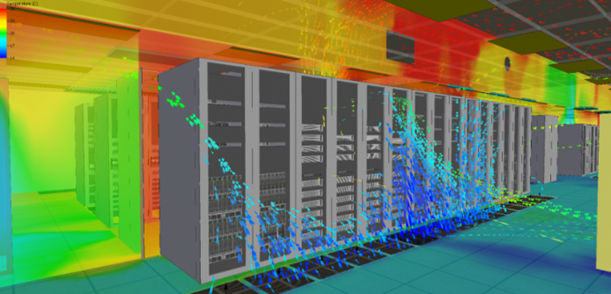 Data Center CFD Analysis
Rack airflow, hot spots, recirculation, containment, and cooling performance
Data Center CFD Analysis
Rack airflow, hot spots, recirculation, containment, and cooling performance
 Thermal Comfort & HVAC Simulations
Airflow, temperature distribution, occupant comfort, ventilation, and HVAC performance
Thermal Comfort & HVAC Simulations
Airflow, temperature distribution, occupant comfort, ventilation, and HVAC performance
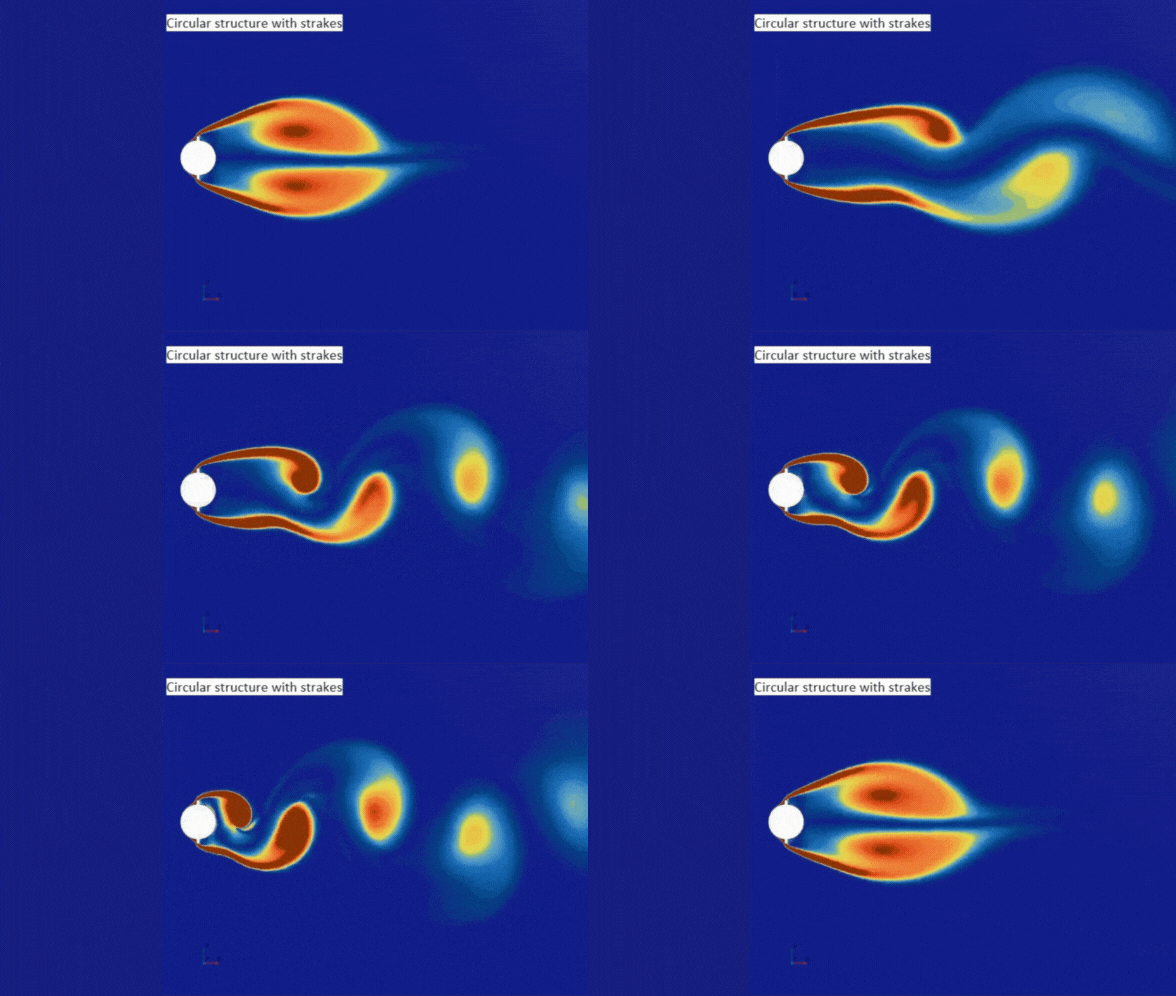 Flow-Induced Vibrations
FIV risk, vortex shedding, dynamic fluid loads, and coupled response evaluation
Flow-Induced Vibrations
FIV risk, vortex shedding, dynamic fluid loads, and coupled response evaluation
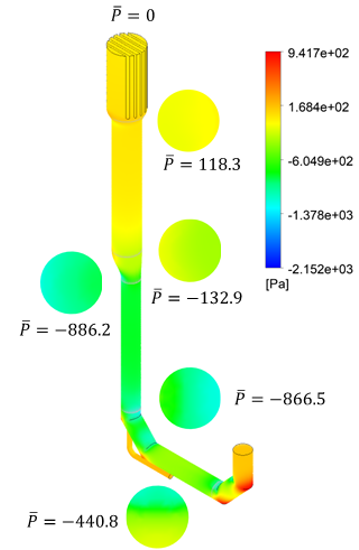 Pressure Drop Analysis
Flow resistance, system losses, velocity fields, and pressure performance evaluation
Pressure Drop Analysis
Flow resistance, system losses, velocity fields, and pressure performance evaluation
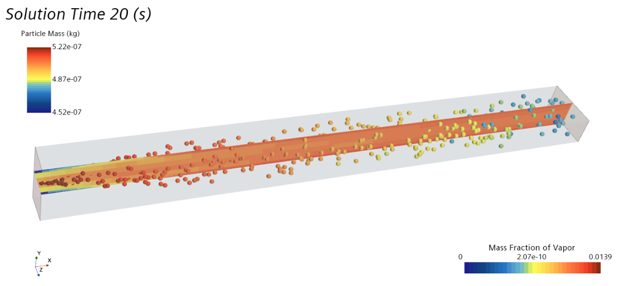 Evaporation & Condensation Analysis
Phase change behavior, thermal-fluid interaction, and moisture transport evaluation
Evaporation & Condensation Analysis
Phase change behavior, thermal-fluid interaction, and moisture transport evaluation
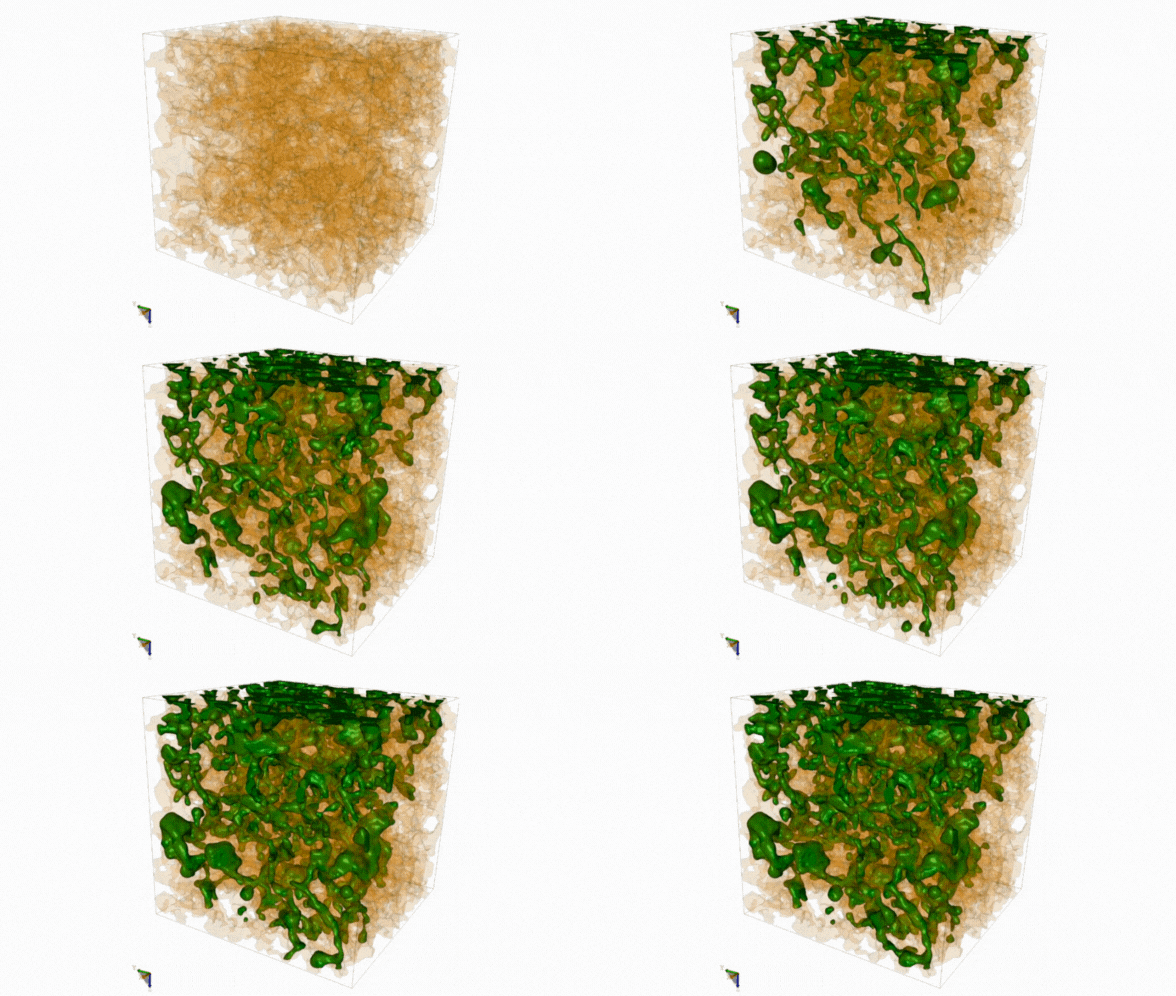 Porous Media Analysis
Pressure loss, permeability effects, filtration, packed beds, and flow resistance modeling
Porous Media Analysis
Pressure loss, permeability effects, filtration, packed beds, and flow resistance modeling
 STRUCTURAL FEA · HVAC CFD
Building, Facility & Construction
Structural, foundation and HVAC airflow analysis for buildings, facilities and supporting systems.
STRUCTURAL FEA · HVAC CFD
Building, Facility & Construction
Structural, foundation and HVAC airflow analysis for buildings, facilities and supporting systems.
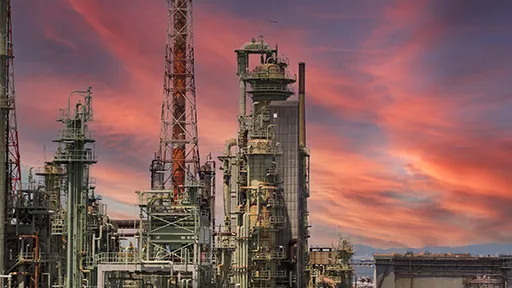 OIL & GAS · MINING · POWER GENERATION
Infrastructure, Energy & Materials
Piping, pressure equipment, structural and integrity analysis for pipelines, process equipment and energy assets.
OIL & GAS · MINING · POWER GENERATION
Infrastructure, Energy & Materials
Piping, pressure equipment, structural and integrity analysis for pipelines, process equipment and energy assets.
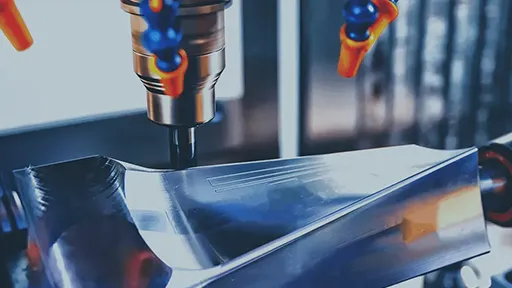 STRESS FEA · VIBRATION · THERMAL
Manufacturing & Industrial Equipment
Stress, vibration, thermal and flow analysis for machinery, skids and process equipment.
STRESS FEA · VIBRATION · THERMAL
Manufacturing & Industrial Equipment
Stress, vibration, thermal and flow analysis for machinery, skids and process equipment.
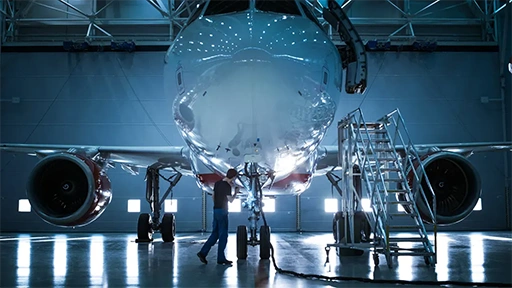 FEA · THERMAL · AERODYNAMICS
Aerospace & Defense
Structural, fatigue, thermal and aerodynamic analysis for aircraft components, UAVs and defense systems.
FEA · THERMAL · AERODYNAMICS
Aerospace & Defense
Structural, fatigue, thermal and aerodynamic analysis for aircraft components, UAVs and defense systems.
 IMPACT · DURABILITY · THERMAL
Transportation & Mobility
Impact, durability, thermal-management and aerodynamic analysis for vehicles, components and mobility systems.
IMPACT · DURABILITY · THERMAL
Transportation & Mobility
Impact, durability, thermal-management and aerodynamic analysis for vehicles, components and mobility systems.
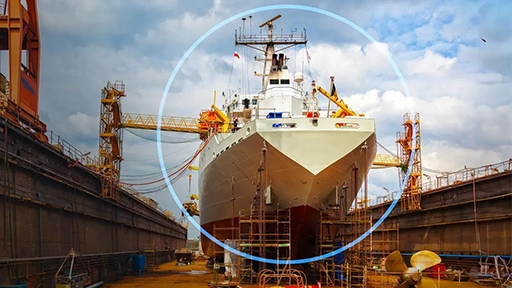 STRUCTURAL FEA · PIPING · CFD
Marine & Offshore
Structural, piping, fatigue and flow analysis for vessels, offshore structures and marine equipment.
STRUCTURAL FEA · PIPING · CFD
Marine & Offshore
Structural, piping, fatigue and flow analysis for vessels, offshore structures and marine equipment.
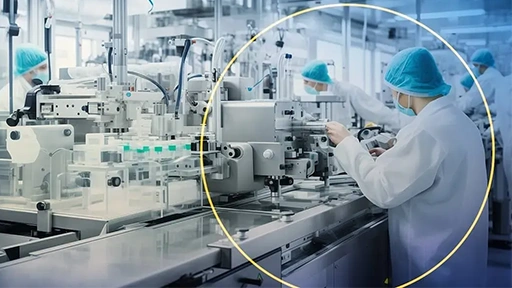 MEDICAL DEVICE FEA · CLEANROOM CFD
Life Sciences & Healthcare
Structural, airflow and thermal analysis for medical devices, cleanrooms and pharmaceutical equipment.
MEDICAL DEVICE FEA · CLEANROOM CFD
Life Sciences & Healthcare
Structural, airflow and thermal analysis for medical devices, cleanrooms and pharmaceutical equipment.
 PACKAGING FEA · PROCESS CFD
Consumer Packaged Goods
Packaging, process-flow and equipment analysis for consumer products, filling systems and production lines.
PACKAGING FEA · PROCESS CFD
Consumer Packaged Goods
Packaging, process-flow and equipment analysis for consumer products, filling systems and production lines.
Engineering Results
Case Studies
 Structural Integrity
Structural Integrity Assessment of ERW Seam Flaws
 Structural FEA
Improving Lateral Stiffness of Composite Wall Systems Through Vertical Reinforcement
 Impact Analysis
Frontal Impact Assessment of Driver Cabin in Bus Structure
 Nonlinear FEA
3D Nonlinear FEA Analysis of Pin-Column Connection
 CFD Erosion
CFD Analysis for Predicting Erosion due to Slurry in Spoolable Pipe Connection
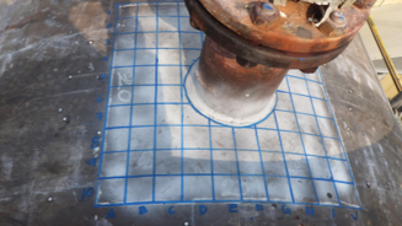 Fitness-for-Service
Fitness-For-Service Assessment of DEA Reboiler
 Fatigue Assessment
Fatigue Life Assessment of a Blow-Case Pressure Vessel
 Dynamic Stress