
Civil Structural FEA and Structural Engineering Services
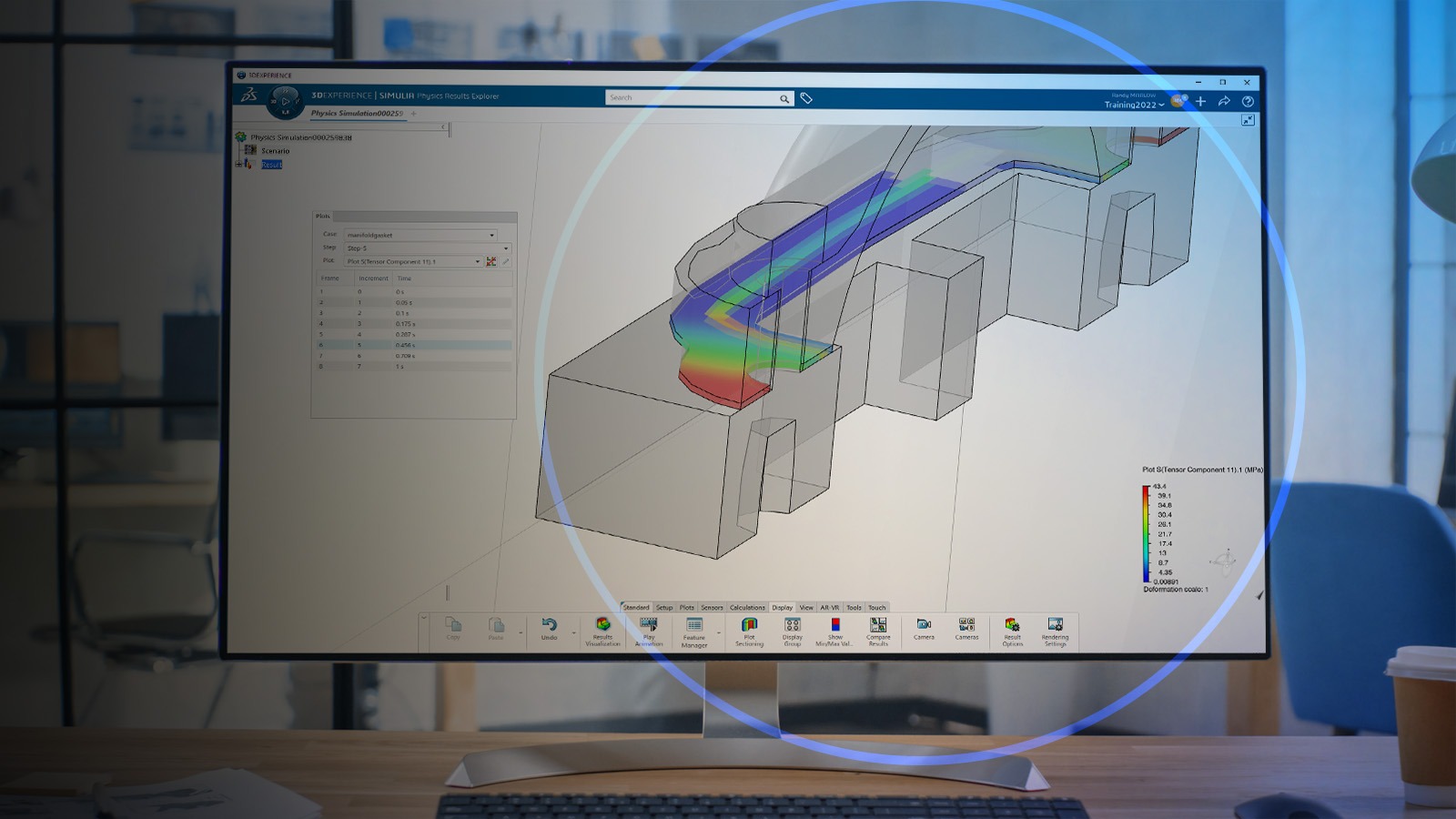 Equipment Structural Analysis
Structural integrity, support conditions, and equipment load assessment
Equipment Structural Analysis
Structural integrity, support conditions, and equipment load assessment
 Storage Tank Structural Design & Analysis
Tank shell, roof, supports, settlement, and structural load assessment
Storage Tank Structural Design & Analysis
Tank shell, roof, supports, settlement, and structural load assessment
 Data Centre Structural Analysis
Modular structures, equipment skids, seismic anchorage, and lifting conditions
Data Centre Structural Analysis
Modular structures, equipment skids, seismic anchorage, and lifting conditions
 Seismic Analysis & Design
Seismic response, dynamic loading, and code-based structural design
Seismic Analysis & Design
Seismic response, dynamic loading, and code-based structural design
 Building Structural Design
Structural systems, load paths, and strength and serviceability checks
Building Structural Design
Structural systems, load paths, and strength and serviceability checks
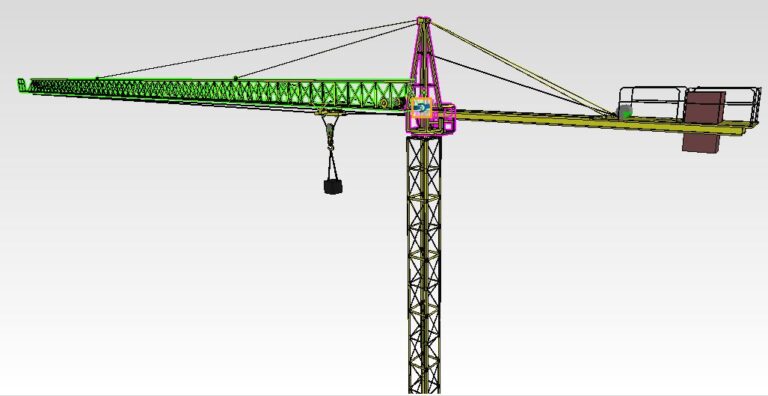 Cranes, Lifting & Fall Arrest Systems
Lifting loads, anchor points, structural supports, and safety-critical checks
Cranes, Lifting & Fall Arrest Systems
Lifting loads, anchor points, structural supports, and safety-critical checks
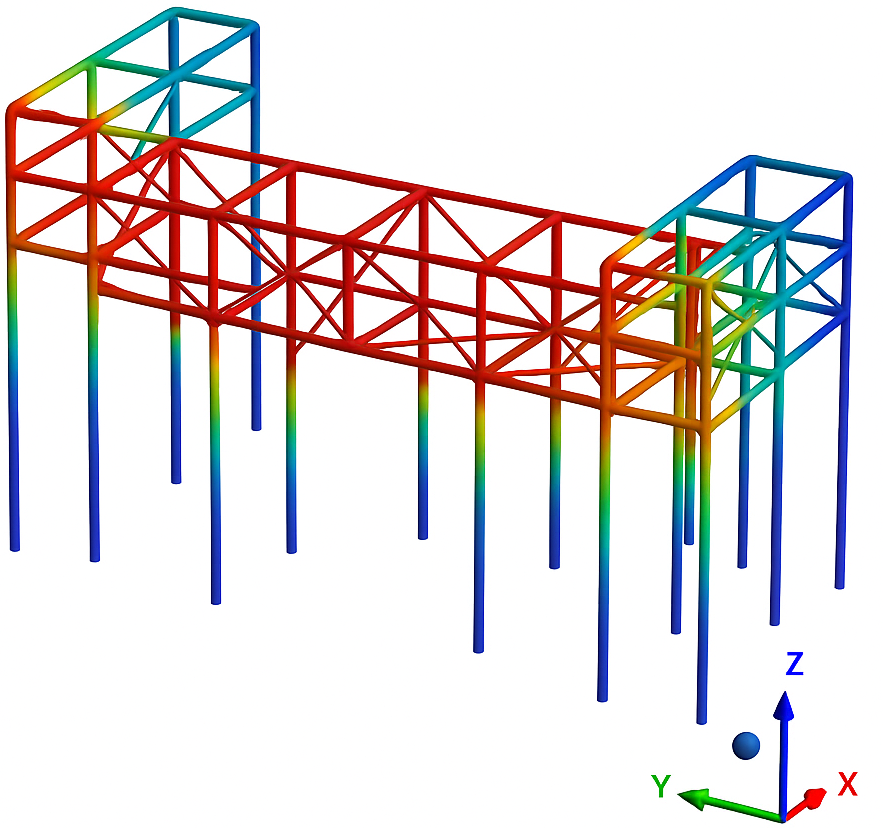 Pipe Rack & Process Platform Design
Pipe racks, process platforms, support framing, and operating loads
Pipe Rack & Process Platform Design
Pipe racks, process platforms, support framing, and operating loads
 Forensic Structural Investigation
Failure investigation, damage assessment, and engineering recommendations
Forensic Structural Investigation
Failure investigation, damage assessment, and engineering recommendations
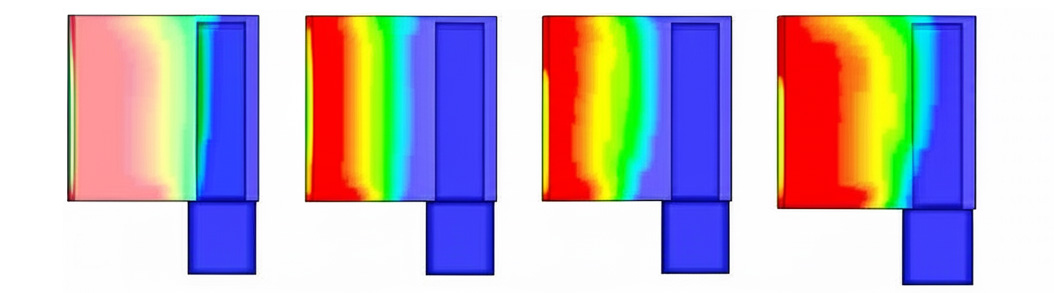 Blast & Impact Load Structural Analysis
Structural response to blast, impact, and other extreme loading
Blast & Impact Load Structural Analysis
Structural response to blast, impact, and other extreme loading
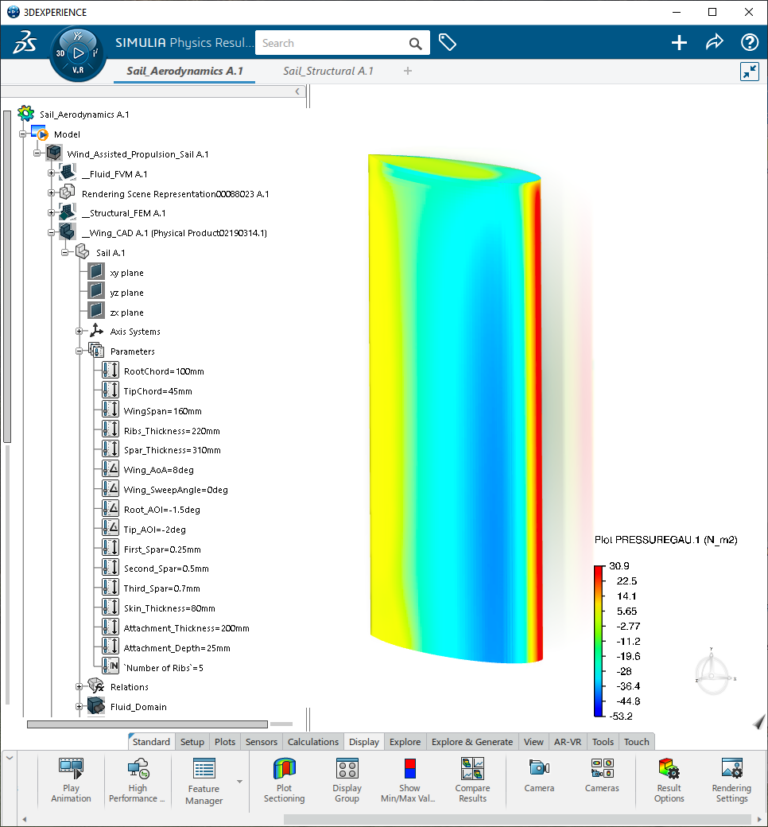 Wind Load & Thermal Expansion Analysis
Wind loading, thermal movement, restraint forces, and structural response
Wind Load & Thermal Expansion Analysis
Wind loading, thermal movement, restraint forces, and structural response
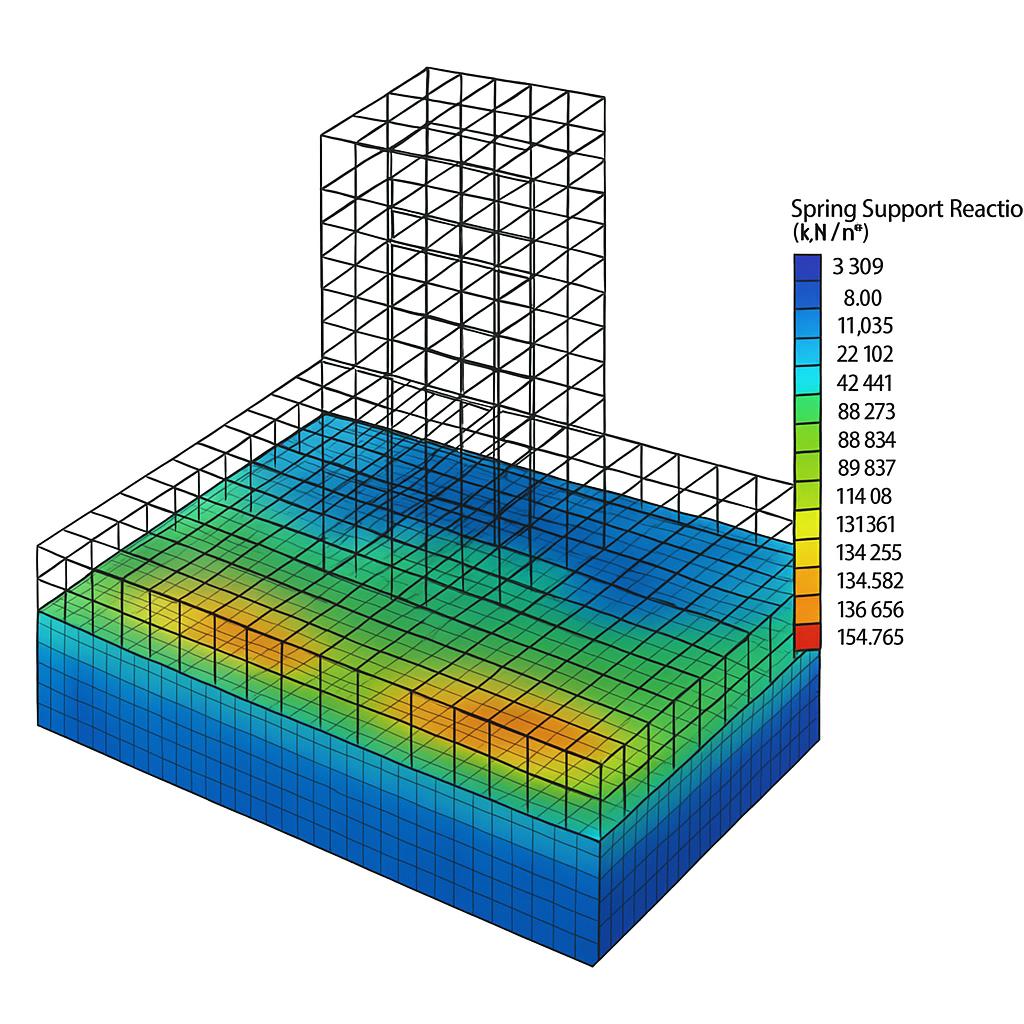 Foundation Engineering
Foundation design, support reactions, load transfer, and structural stability
Foundation Engineering
Foundation design, support reactions, load transfer, and structural stability
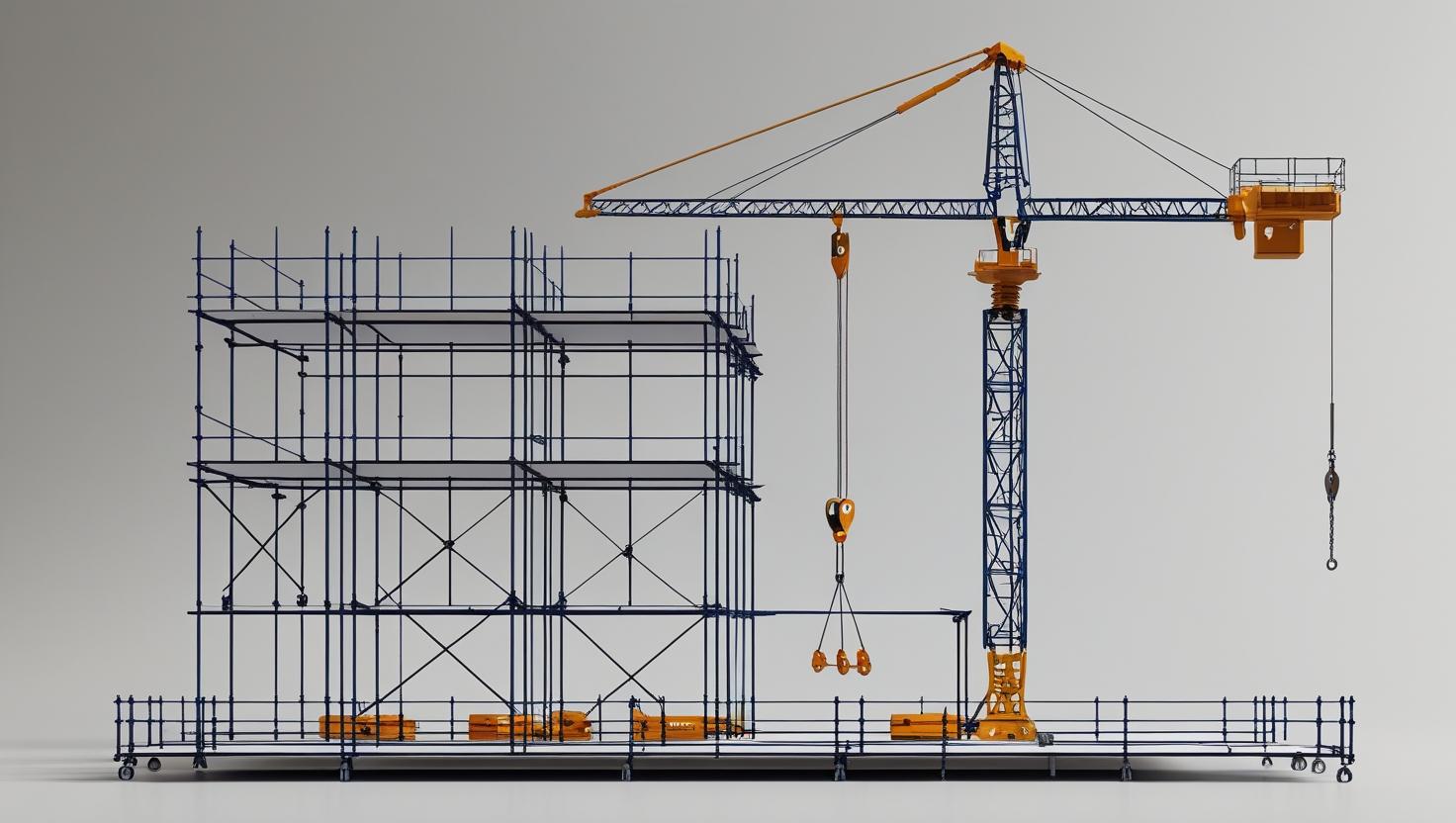 Temporary Structures Engineering
Temporary works, construction supports, rigging structures, and stability checks
Temporary Structures Engineering
Temporary works, construction supports, rigging structures, and stability checks

Civil Structural FEA
Design validation, load assessment, and structural performance review.
Civil Structural FEA Expertise
Discuss Your Project
Structural FEA Support for Confident Engineering Decisions
ENA2 helps engineering teams evaluate structural performance, load paths, deformation, stress concentration, stability, and failure risk using practical finite element analysis workflows.
Structures
Equipment, tanks, pipe racks, platforms, buildings, foundations, and temporary works.
Load Cases
Static, seismic, wind, thermal expansion, blast, impact, lifting, and operating loads.
Simulation-Based Validation
Evaluate stress, deflection, buckling, vibration, and load transfer before costly design changes.
Practical Engineering Output
Receive actionable recommendations, not just colorful plots or raw simulation results.
Clear Technical Reporting
Support internal reviews, client communication, inspection findings, and design documentation.
Engineering Results
Case Studies
 Structural Integrity
Structural Integrity Assessment of ERW Seam Flaws
 Structural FEA
Improving Lateral Stiffness of Composite Wall Systems Through Vertical Reinforcement
 Impact Analysis
Frontal Impact Assessment of Driver Cabin in Bus Structure
 Nonlinear FEA
3D Nonlinear FEA Analysis of Pin-Column Connection
 CFD Erosion
CFD Analysis for Predicting Erosion due to Slurry in Spoolable Pipe Connection
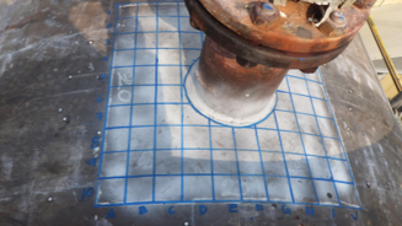 Fitness-for-Service
Fitness-For-Service Assessment of DEA Reboiler
 Fatigue Assessment
Fatigue Life Assessment of a Blow-Case Pressure Vessel
 Dynamic Stress