
Engineering Simulation & Consulting Services by Industry
ENA2 supports asset owners, OEMs, EPCs, manufacturers and project teams with engineering analysis tailored to the equipment, operating conditions and failure risks of each industry. We apply structural FEA, CFD, piping, thermal, vibration and multiphysics analysis to support decisions involving safety, reliability and performance.
- 01Design Validation
- 02Existing Asset Integrity
- 03Troubleshooting & Retrofit
- 04Performance Optimization
Engineering Support Across Industry Sectors
ENA2 applies structural, mechanical, fluid, piping and multiphysics analysis to the equipment, operating conditions and performance requirements of each sector.
 STRUCTURAL FEA · HVAC CFD
Building, Facility & Construction
Structural, foundation and HVAC airflow analysis for buildings, facilities and supporting systems.
STRUCTURAL FEA · HVAC CFD
Building, Facility & Construction
Structural, foundation and HVAC airflow analysis for buildings, facilities and supporting systems.
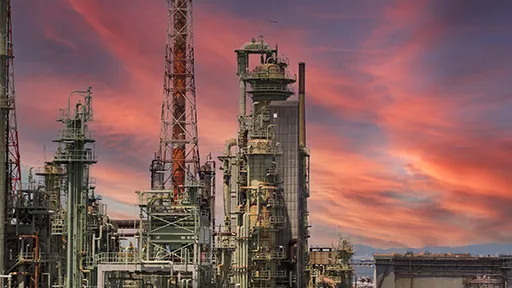 OIL & GAS · MINING · POWER GENERATION
Infrastructure, Energy & Materials
Piping, pressure equipment, structural and integrity analysis for pipelines, process equipment and energy assets.
OIL & GAS · MINING · POWER GENERATION
Infrastructure, Energy & Materials
Piping, pressure equipment, structural and integrity analysis for pipelines, process equipment and energy assets.
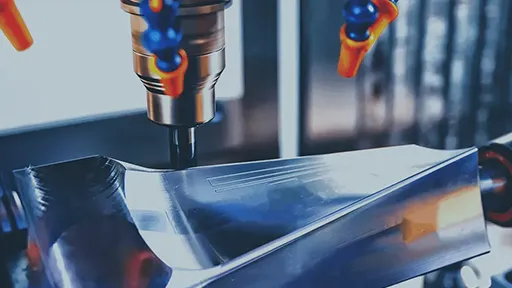 STRESS FEA · VIBRATION · THERMAL
Manufacturing & Industrial Equipment
Stress, vibration, thermal and flow analysis for machinery, skids and process equipment.
STRESS FEA · VIBRATION · THERMAL
Manufacturing & Industrial Equipment
Stress, vibration, thermal and flow analysis for machinery, skids and process equipment.
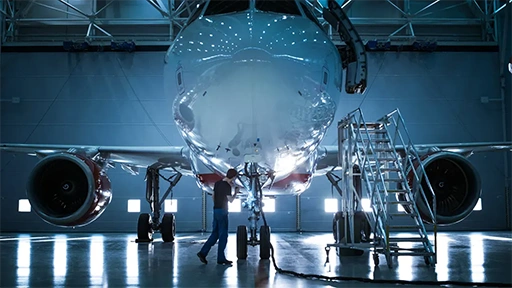 FEA · THERMAL · AERODYNAMICS
Aerospace & Defense
Structural, fatigue, thermal and aerodynamic analysis for aircraft components, UAVs and defense systems.
FEA · THERMAL · AERODYNAMICS
Aerospace & Defense
Structural, fatigue, thermal and aerodynamic analysis for aircraft components, UAVs and defense systems.
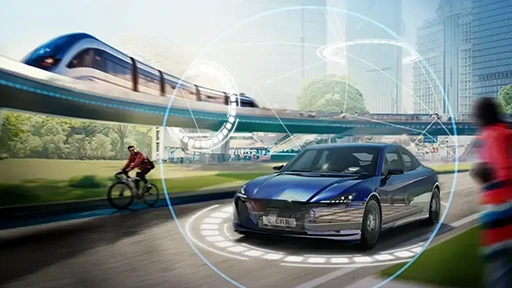 IMPACT · DURABILITY · THERMAL
Transportation & Mobility
Impact, durability, thermal-management and aerodynamic analysis for vehicles, components and mobility systems.
IMPACT · DURABILITY · THERMAL
Transportation & Mobility
Impact, durability, thermal-management and aerodynamic analysis for vehicles, components and mobility systems.
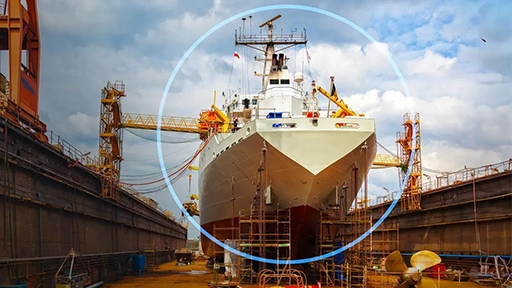 STRUCTURAL FEA · PIPING · CFD
Marine & Offshore
Structural, piping, fatigue and flow analysis for vessels, offshore structures and marine equipment.
STRUCTURAL FEA · PIPING · CFD
Marine & Offshore
Structural, piping, fatigue and flow analysis for vessels, offshore structures and marine equipment.
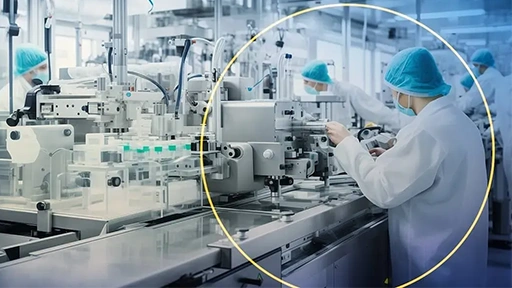 MEDICAL DEVICE FEA · CLEANROOM CFD
Life Sciences & Healthcare
Structural, airflow and thermal analysis for medical devices, cleanrooms and pharmaceutical equipment.
MEDICAL DEVICE FEA · CLEANROOM CFD
Life Sciences & Healthcare
Structural, airflow and thermal analysis for medical devices, cleanrooms and pharmaceutical equipment.
 PACKAGING FEA · PROCESS CFD
Consumer Packaged Goods
Packaging, process-flow and equipment analysis for consumer products, filling systems and production lines.
PACKAGING FEA · PROCESS CFD
Consumer Packaged Goods
Packaging, process-flow and equipment analysis for consumer products, filling systems and production lines.
Selected Engineering Capabilities
These disciplines are frequently combined across industry projects, depending on the equipment, loads and operating conditions involved.
Engineering Questions We Help Resolve
Across industries, ENA2 focuses analysis on the physical behavior driving the project decision, from stress and flow distribution to thermal performance, vibration and asset integrity.
Structural Integrity & Load Capacity
Evaluate stress, deformation, stability and load paths in equipment, building systems, supports, connections and pressure equipment.
Flow Distribution & Pressure Loss
Evaluate pressure loss, recirculation, stagnant regions and uneven flow in process systems, cooling networks, HVAC systems and industrial equipment.
Thermal Management & Heat Transfer
Assess temperatures, cooling performance, heat transfer, thermal gradients and thermal-stress risk in equipment and facilities.
Vibration, Fatigue & Dynamic Response
Investigate natural frequencies, resonance, cyclic loading, impact and seismic response in rotating equipment, piping, vehicles and structures.
Piping, Pressure Equipment & Fluid Transients
Review piping loads, supports, nozzles, pressure equipment and transient events such as water hammer and surge.
Failure, Integrity & Life Assessment
Investigate cracking, fatigue, deformation, corrosion and erosion to support repair, continued-service and integrity decisions.
How ENA2 Supports Project Teams
ENA2 works as an independent specialist, subconsultant or analysis partner when projects need focused simulation and engineering support.
Independent analysis for operating assets, modifications and integrity decisions.
Design validation, durability assessment and performance improvement for products and equipment.
Specialist FEA, CFD, piping and multiphysics support within larger project scopes.
Engineering review for structures, equipment, supports, constructability and field changes.
Analysis where structural, thermal, vibration, airflow or piping performance affects reliability.
Focused FEA, CFD, piping or multiphysics studies for defined technical questions.
Independent analysis of equipment, structures, loads or proposed design changes.
Simulation and analysis within larger EPC, consulting or multidisciplinary engineering scopes.
Additional technical capacity for OEMs, manufacturers and project teams during peak workload or specialist tasks.
Connect structural, thermal, flow and piping behavior when the engineering decision spans multiple disciplines.
Engineering Case Studies Across Industrial Applications
View All Case StudiesExplore ENA2 work involving pressure equipment, pipelines, industrial systems, structures and transportation using FEA, CFD and coupled simulation.
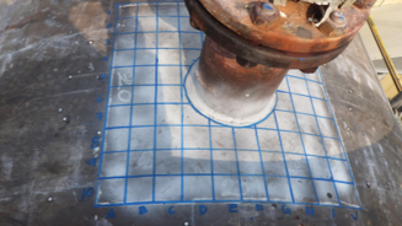 Oil & Gas · Asset Integrity
API 579 Dented Pressure Vessel
Level 3 FEA supporting a pressure-vessel integrity decision.
Oil & Gas · Asset Integrity
API 579 Dented Pressure Vessel
Level 3 FEA supporting a pressure-vessel integrity decision.
 Process Equipment · Fatigue
Pressure Vessel Fatigue Assessment
Stress and fatigue assessment for pressure-equipment reliability.
Process Equipment · Fatigue
Pressure Vessel Fatigue Assessment
Stress and fatigue assessment for pressure-equipment reliability.
 Mining & Process · CFD Erosion
Slurry Erosion in Spoolable Pipe Connection
CFD erosion assessment for slurry transport and pipe-connection performance.
Mining & Process · CFD Erosion
Slurry Erosion in Spoolable Pipe Connection
CFD erosion assessment for slurry transport and pipe-connection performance.
 Industrial Equipment · Dynamics
Industrial Manifold Dynamic Stress
Coupled CFD and FEA for flow-induced dynamic and fatigue risk.
Industrial Equipment · Dynamics
Industrial Manifold Dynamic Stress
Coupled CFD and FEA for flow-induced dynamic and fatigue risk.
 Oil & Gas · Pipeline Integrity
ERW Seam Flaw Integrity Study
Fracture assessment support for pipeline integrity and defect evaluation.
Oil & Gas · Pipeline Integrity
ERW Seam Flaw Integrity Study
Fracture assessment support for pipeline integrity and defect evaluation.
 Buildings & Structures · Nonlinear FEA
Pin-Column Connection FEA
Nonlinear FEA for pinned structural-connection behavior.
Buildings & Structures · Nonlinear FEA
Pin-Column Connection FEA
Nonlinear FEA for pinned structural-connection behavior.
 Buildings & Structures · Structural FEA
Composite Wall Lateral Stiffness
FEA validation for stiffness improvement and cyclic structural response.
Buildings & Structures · Structural FEA
Composite Wall Lateral Stiffness
FEA validation for stiffness improvement and cyclic structural response.
 Transportation · Impact Analysis
Driver Cabin Frontal Impact Assessment
Explicit dynamic analysis for impact-driven structural response.
Transportation · Impact Analysis
Driver Cabin Frontal Impact Assessment
Explicit dynamic analysis for impact-driven structural response.
Engineering Support by Industry FAQ
Answers about industry-specific analysis, project stages, existing assets, modifications and how ENA2 supports technical decisions.
What industries does ENA2 support?
ENA2 supports projects across Building, Facility & Construction; Infrastructure, Energy & Materials; Data Centers; Manufacturing & Industrial Equipment; Transportation & Mobility; Aerospace & Defense; Marine & Offshore; Life Sciences & Healthcare; and Consumer Packaged Goods. Oil & Gas, Mining and Power Generation are supported within the Infrastructure, Energy & Materials industry group.
Does ENA2 support both new designs and existing operating assets?
Yes. ENA2 supports new design validation as well as existing asset assessment. Depending on the project, the work may involve design verification, modification review, troubleshooting, failure investigation, integrity assessment, or performance improvement.
What types of companies work with ENA2?
ENA2 works with asset owners and operators, OEMs and equipment manufacturers, EPCs and engineering firms, fabricators, developers, contractors and utilities that need specialist simulation, analysis, or engineering validation support.
What if my industry is not listed?
The industries shown on this page represent ENA2’s primary sector groups. If your equipment or engineering problem falls outside these categories, contact ENA2 with the system, operating conditions and technical question. Many simulation methods apply across industries.
Can ENA2 support modifications and retrofit projects?
Yes. ENA2 can evaluate how modified geometry, equipment, loads, supports, operating conditions, or process requirements may affect structural, thermal, flow, vibration, piping, or equipment performance before field changes are implemented.
Can ENA2 investigate failure or poor equipment performance?
Yes. ENA2 can support investigations involving cracking, fatigue, deformation, vibration, erosion, pressure loss, uneven flow, overheating, unexpected equipment loads, or other performance concerns when engineering analysis is needed to understand the governing behavior.
How does ENA2 determine which analysis method is needed?
The analysis method is selected from the engineering question, geometry, materials, loads, operating conditions, available inspection or test data, applicable design requirements, and the decision the client needs to make. The project may require FEA, CFD, piping stress, transient flow analysis, or a combined multiphysics approach.
Does ENA2 support projects in Canada and the United States?
Yes. ENA2 supports engineering consulting and simulation projects for clients in Canada and the United States, including industrial project owners, engineering firms, OEMs, manufacturers, fabricators and project teams that need specialized technical analysis.
Need Engineering Support for Your Industry?
Tell us about the equipment, operating conditions and engineering question. ENA2 can help identify the right analysis path for design validation, troubleshooting, integrity assessment or performance improvement.