
Mechanical FEA Services and Simulation Capabilities
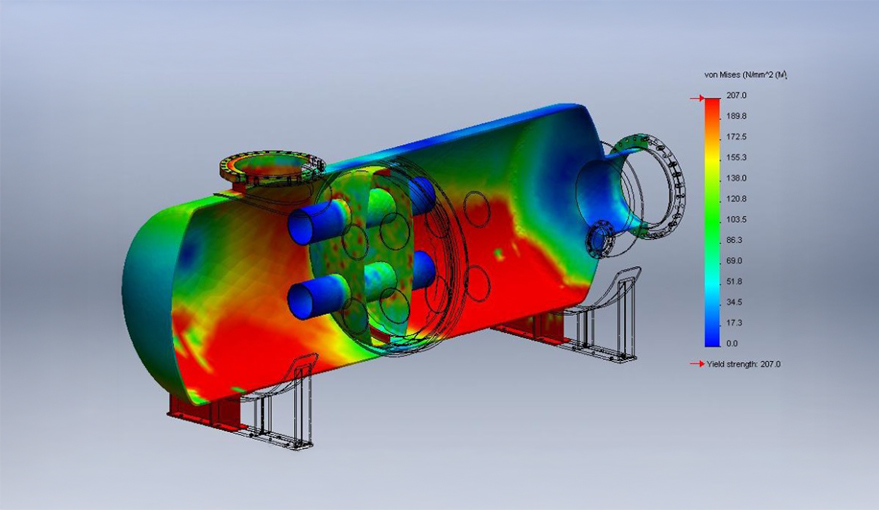 Stress Analysis Services
Stress, strain, deformation, and structural performance evaluation
Stress Analysis Services
Stress, strain, deformation, and structural performance evaluation
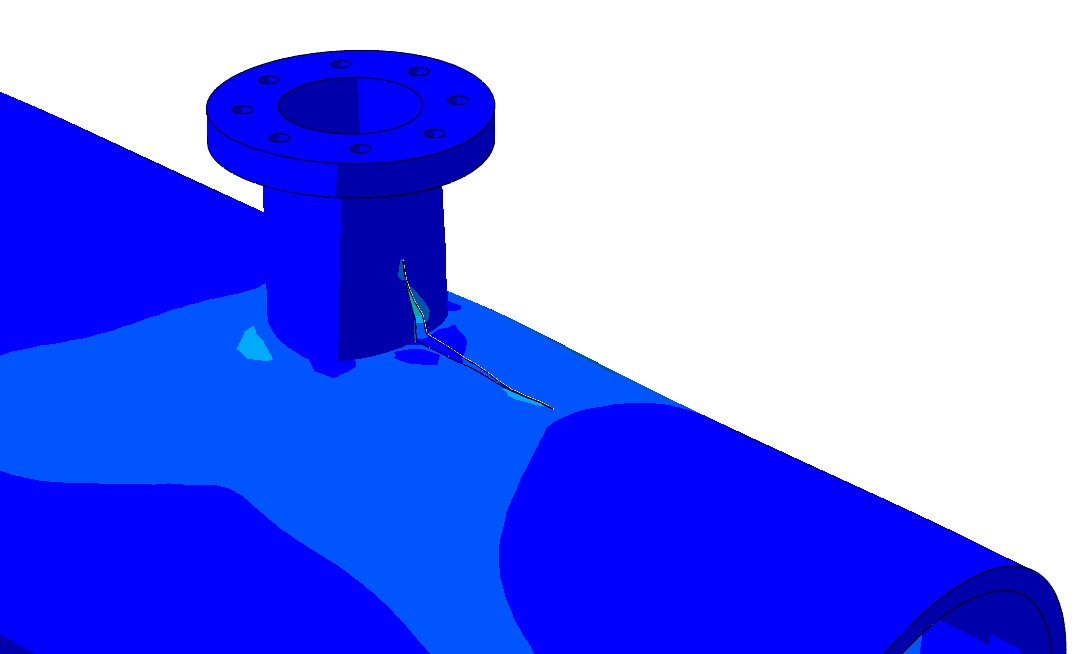 Fatigue & Fracture Analysis
Fatigue life, crack growth, fracture risk, and failure assessment
Fatigue & Fracture Analysis
Fatigue life, crack growth, fracture risk, and failure assessment
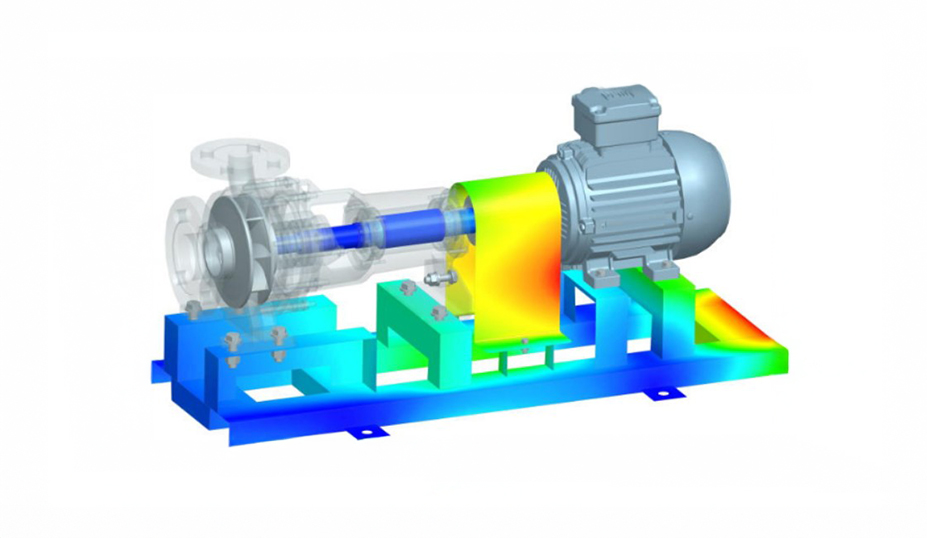 Vibration Analysis Services
Modal, harmonic, dynamic response, and vibration risk evaluation
Vibration Analysis Services
Modal, harmonic, dynamic response, and vibration risk evaluation
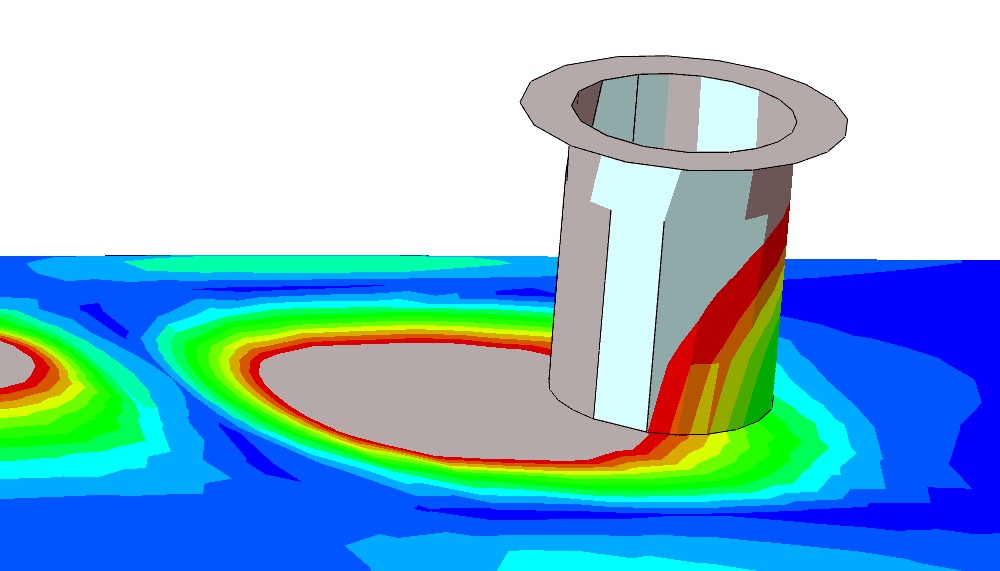 Fitness-for-Service Evaluation
API 579 assessments for dents, defects, damage, and remaining life
Fitness-for-Service Evaluation
API 579 assessments for dents, defects, damage, and remaining life
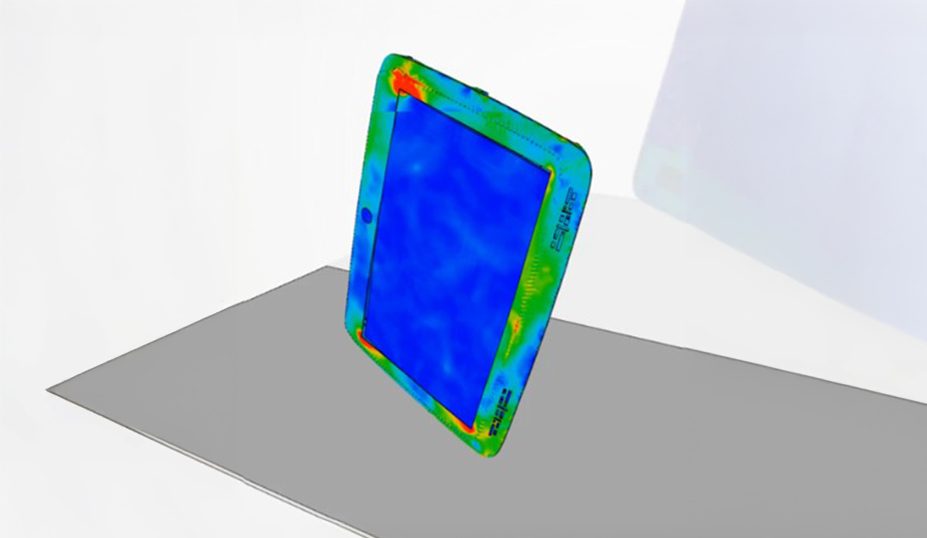 Explicit Simulation
Impact, contact, crash, drop, and highly nonlinear transient events
Explicit Simulation
Impact, contact, crash, drop, and highly nonlinear transient events
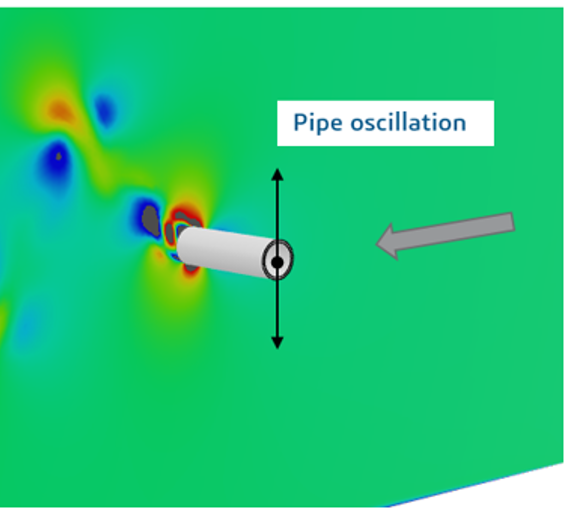 Flow-Induced Vibration Analysis
FIV risk evaluation for piping, equipment, and dynamic fluid loads
Flow-Induced Vibration Analysis
FIV risk evaluation for piping, equipment, and dynamic fluid loads
Why Choose ENA2 for Mechanical FEA Services?
ENA2 combines advanced finite element analysis, practical mechanical engineering judgment, and clear technical reporting to help teams validate designs, reduce risk, and solve complex performance challenges.
Expert FEA Consultants
Deep mechanical engineering expertise combined with practical simulation workflows for stress, deformation, fatigue, fracture, vibration, and nonlinear analysis.
Advanced Simulation Tools
We use high-fidelity solvers such as Abaqus and other engineering tools to support accurate, reliable, and project-specific mechanical FEA evaluations.
Simulation-Driven Design
Our analysis approach supports design validation, material behavior assessment, optimization, failure prevention, and reduced physical prototyping cycles.
Integrated FEA & CFD Support
ENA2 connects mechanical FEA with complementary CFD and multi-physics insight for fluid-structure interaction, thermal-mechanical coupling, and flow-induced vibration.
 Building, Facility & Construction
Structural and simulation support
Building, Facility & Construction
Structural and simulation support
 Infrastructure, Energy & Materials
Engineering analysis for critical assets
Infrastructure, Energy & Materials
Engineering analysis for critical assets
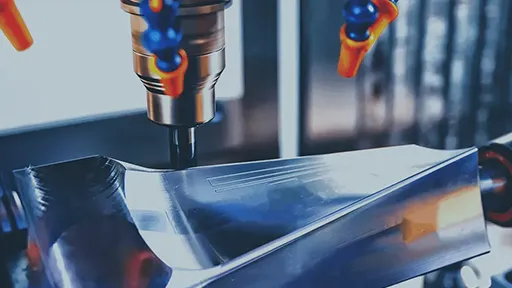 Manufacturing & Industrial Equipment
Product and process optimization
Manufacturing & Industrial Equipment
Product and process optimization
 Transportation & Mobility
Performance and durability solutions
Transportation & Mobility
Performance and durability solutions
 Aerospace & Defense
Advanced engineering validation
Aerospace & Defense
Advanced engineering validation
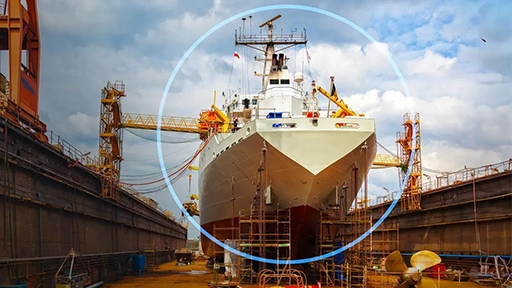 Marine & Offshore
Structural and offshore asset support
Marine & Offshore
Structural and offshore asset support
 Life Sciences & Healthcare
Simulation for regulated products
Life Sciences & Healthcare
Simulation for regulated products
 Consumer Packaged Goods
Packaging and product performance
Consumer Packaged Goods
Packaging and product performance
Case Studies
 Structural Integrity
Structural Integrity Assessment of ERW Seam Flaws
 Structural FEA
Improving Lateral Stiffness of Composite Wall Systems Through Vertical Reinforcement
 Impact Analysis
Frontal Impact Assessment of Driver Cabin in Bus Structure
 Nonlinear FEA
3D Nonlinear FEA Analysis of Pin-Column Connection
 CFD Erosion
CFD Analysis for Predicting Erosion due to Slurry in Spoolable Pipe Connection
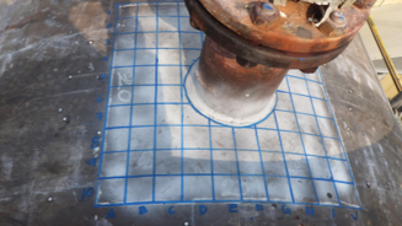 Fitness-for-Service
Fitness-For-Service Assessment of DEA Reboiler
 Fatigue Assessment
Fatigue Life Assessment of a Blow-Case Pressure Vessel
 Dynamic Stress