Storage Tank Structural Design & Analysis
Ensuring the Integrity and Code Compliance of Critical Containment Structures
Storage tank structural design and analysis are critical for ensuring the safety, reliability, and long-term performance of above ground storage tanks across a wide range of industries. At ENA2 Innovative Consulting Inc., we provide comprehensive storage tank engineering services, including the design of storage tanks, API 620 and API 650 tank design, atmospheric storage tank design, and advanced structural analysis. We specialize in the structural integrity assessment and FEA-driven design of storage tanks subjected to diverse loading conditions, including hydrostatic pressure, internal and external design pressures, wind loads, seismic forces, and snow loads. By leveraging advanced engineering calculations, Finite Element Analysis (FEA), and industry-recognized design standards, we help clients across Canada and the United States verify structural integrity, optimize tank designs, ensure code compliance, and safeguard both assets and personnel.
Key Elements of Our Storage Tank Structural Design & FEA Analysis Services
ENA2 offers comprehensive FEA-driven structural design and analysis services tailored for various storage tank applications:
API 650 & API 620 Tank Design & Analysis
We specialize in the Finite Element Analysis (FEA) and design verification of atmospheric storage tanks (API 650) and low-pressure storage tanks (API 620). This includes detailed analysis of tank shells, annular plates, bottom plates, and roof structures under various internal/external pressures, hydrostatic loads, and operational filling conditions. We ensure compliance with all specified API standards for material, fabrication, and design.
Wind Load & Seismic Analysis (ASCE 7 / NBCC Compliance)
Our services include rigorous wind load analysis to assess the tank’s stability against overturning and sliding, considering wind pressures on cylindrical and roof surfaces. We also perform advanced seismic analysis using methods compliant with ASCE 7 and National Building Code of Canada (NBCC) provisions. Our capabilities include evaluating sloshing effects of internal liquids, shell buckling under seismic loads, and the design of seismic anchoring systems to ensure tank integrity during an earthquake event.
Tank Foundation & Anchorage System Design
We provide detailed structural analysis and design recommendations for various tank foundations, including ring wall foundations, pile-supported foundations (with pile caps), and mat foundations. Our analysis evaluates soil-structure interaction and verifies the capacity of anchor bolts and embedded components to resist uplift and overturning forces, ensuring a stable and secure connection between the tank and its substructure.
Roof Structure Analysis (Fixed & Floating Roofs)
We conduct FEA for various tank roof configurations, including fixed cone roofs, dome roofs, and internal/external floating roofs. This analysis assesses their structural capacity to withstand snow loads, external pressure, vacuum conditions, and any integrated equipment loads. For floating roofs, we also analyze stability and sealing mechanisms, ensuring their proper function and structural integrity.
Fitness-For-Service (FFS) & Integrity Assessments (API 579)
For existing tanks, we provide Fitness-For-Service (FFS) assessments in accordance with API 579-1/ASME FFS-1. This involves evaluating existing defects such as metal loss (pitting, general thinning), dents, gouges, cracks, and distortion. Our FEA-based FFS analysis determines the remaining strength and projected safe operating life of the tank, guiding decisions on repair, replacement, or continued operation.
Thermal Expansion & Differential Settlement Analysis
We analyze the structural response of storage tanks to temperature variations, including expansion and contraction of the tank shell and components due to changes in fluid temperature or ambient conditions. Additionally, we assess the impact of potential differential settlement of the foundation on the tank structure, identifying potential areas of high localized stress and recommending mitigation strategies to ensure long-term structural health.
Why Storage Tank Structural Design & Analysis is Paramount?
Thorough structural design and analysis of storage tanks is indispensable for protecting high-value assets, ensuring safety, and maintaining operational continuity:
Ensuring Containment Integrity: Preventing catastrophic failures, leaks, or ruptures is paramount, especially when storing hazardous or valuable materials. FEA helps identify vulnerabilities and ensures the tank shell, roof, and bottom can safely withstand all design loads.
Compliance with Industry Standards: Strict adherence to critical design codes like API 650 and API 620 is mandatory for the construction and operation of storage tanks. Our analyses guarantee full code compliance, facilitating regulatory approvals and reducing legal risks.
Mitigating Environmental Risks: Tank failures can lead to significant environmental contamination. Robust structural design, validated through FEA, minimizes this risk, protecting ecosystems and corporate reputation.
Optimizing Material Use & Cost-Efficiency: Through advanced FEA, we can optimize tank component thicknesses and structural details, ensuring sufficient strength without over-engineering, which leads to significant material and fabrication cost savings.
Resilience to Environmental Extremes: Tanks must withstand severe environmental conditions. Detailed wind load analysis, seismic design, and thermal considerations ensure the tank’s stability and integrity against extreme weather events.
Extending Operational Lifespan: Proactive structural analysis helps identify areas susceptible to fatigue, buckling, or excessive deformation, allowing for designs that enhance durability and extend the overall service life of the storage tank.
Industries We Serve
ENA2 provides storage tank engineering services for a wide range of industries, including:

Building, Facility & Construction
Structural and simulation support

Infrastructure, Energy & Materials
Engineering analysis for critical assets

Manufacturing & Industrial Equipment
Product and process optimization

Transportation & Mobility
Performance and durability solutions
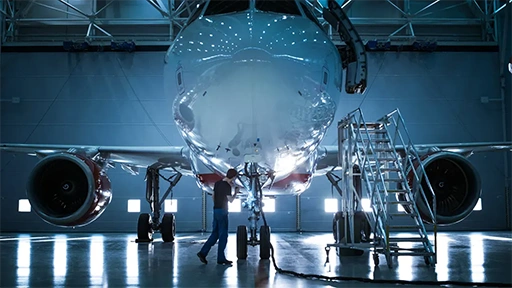
Aerospace & Defense
Advanced engineering validation
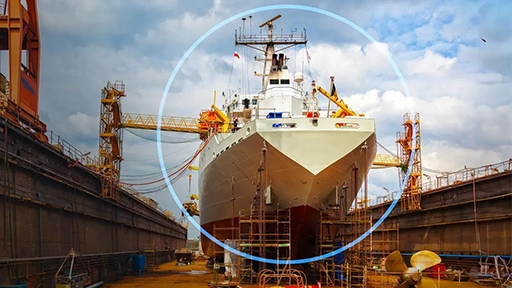
Marine & Offshore
Structural and offshore asset support

Life Sciences & Healthcare
Simulation for regulated products

Consumer Packaged Goods
Packaging and product performance
Why Choose ENA2?
At ENA2, we combine structural engineering expertise with advanced Finite Element Analysis (FEA) capabilities to deliver accurate and reliable storage tank design and analysis services. Our team supports clients throughout Canada and the United States with engineering solutions that prioritize safety, code compliance, and long-term asset performance.
Key Advantages
- Extensive experience in storage tank engineering projects
- Code-compliant API 650 and API 620 design support
- Advanced Finite Element Analysis (FEA) capabilities
- Practical engineering recommendations focused on real-world performance
- Detailed engineering reports and actionable insights
- Cost-effective design optimization
- Fast and reliable project delivery
- Experience supporting complex storage tank projects across multiple industries
- Strong multidisciplinary engineering expertise
Codes & Standards We Work With
ENA2 performs storage tank structural design and analysis in accordance with recognized industry standards and engineering practices, including:
- API 650 – Welded Tanks for Oil Storage
- API 620 – Design and Construction of Large Welded Low-Pressure Storage Tanks
- API 579-1/ASME FFS-1 – Fitness-for-Service Assessment
- ASCE 7 – Design Loads for Buildings and Other Structures
- National Building Code of Canada (NBCC)
- Applicable local regulatory and project-specific design requirements
Common Storage Tank Engineering Challenges We Solve
- Tank shell buckling under wind or seismic loads
- Excessive settlement and foundation movement
- Roof structure overstress
- Anchorage and uplift issues
- Corrosion-related structural degradation
- Fitness-for-Service evaluations for existing tanks
- Thermal expansion and contraction effects
- Structural modifications and tank upgrades
Storage Tank Structural Design & Analysis FAQ
Learn how storage tank structural design and analysis supports safer tank operation, API 650 and API 620 compliance, structural integrity, loading assessment, and continued service evaluations for new and existing storage tanks.
Storage tank structural design and analysis involves evaluating, designing, and verifying storage tanks to safely withstand operational, environmental, and loading conditions while meeting applicable industry standards and code requirements.
API 650 applies primarily to atmospheric storage tanks, while API 620 covers large welded low-pressure storage tanks operating at pressures above atmospheric conditions.
Structural analysis helps verify tank integrity, evaluate stress distribution, assess stability, and ensure compliance with applicable design standards.
Yes. ENA2 provides API 650 tank design, API 620 tank design, structural analysis, and storage tank engineering services for new and existing storage tanks.
Typical loading conditions include internal pressure, hydrostatic loads, wind loads, seismic loads, thermal loads, snow loads, and operational loads.
Yes. ENA2 performs Fitness-for-Service (FFS) assessments in accordance with API 579 to evaluate corrosion, metal loss, dents, cracks, and other damage mechanisms. These assessments help determine whether a storage tank can continue operating safely or requires repair or modification.
Yes. ENA2 supports clients across Canada and the United States with storage tank structural design, analysis, and engineering consulting services.
Useful project inputs include tank drawings, dimensions, material specifications, design code requirements, operating pressure and temperature, fill height, product density, foundation details, site location, wind and seismic criteria, inspection reports, and any known damage or performance concerns. ENA2 can review the available information and help define the right design, analysis, or Fitness-for-Service assessment approach.