Fatigue and Fracture Analysis
Fatigue and Fracture Analysis for Critical Components
Fatigue analysis and fracture analysis are essential for evaluating how components perform under repeated loading, stress cycles, and crack propagation throughout their service life. At ENA2, we provide comprehensive fatigue analysis services for pressure vessels, welded structures, rotating equipment, and other critical components using advanced Finite Element Analysis (FEA) and fracture mechanics principles. Our fatigue fracture analysis capabilities include high cycle fatigue and low cycle fatigue analysis to predict crack initiation, crack growth, remaining service life, and structural reliability under real-world operating conditions.
Simulation Capabilities
Crack Assessment Using Fracture Mechanics
We apply Linear Elastic Fracture Mechanics (LEFM) and Elastic-Plastic Fracture Mechanics (EPFM) methods to evaluate flaw stability and propagation risk in pressure-containing or structural components.
Key Techniques Include:
- Stress Intensity Factor (SIF) evaluation
- J-Integral and CTOD computation
- Allowable flaw size determination
- Crack growth direction and stability analysis
Fatigue Life Prediction
Using stress-life (S–N) and strain-life (ε–N) methods, we estimate fatigue life under cyclic loading. Our workflow supports both constant and variable amplitude loading scenarios.
Highlights Include:
- Miner’s Rule-based cumulative damage calculations
- High-cycle and low-cycle fatigue modeling
- Remaining life estimation under service conditions
- ASME fatigue curve integration for design compliance
Simulation-Driven Fatigue Analysis (fe-safe)
For complex geometries or multiaxial loading, we use fe-safe with FEA inputs to predict fatigue damage distribution and hotspot locations.
Simulation Benefits:
- Contour plots of fatigue damage and life
- Advanced multiaxial fatigue models
- Integration with Abaqus for seamless workflows
- Weld fatigue and non-proportional loading capability
Why Fatigue & Fracture Analysis Matters
Even small loads, when applied repeatedly, can cause progressive damage. Detecting these issues early through simulation ensures your components remain safe and reliable throughout their intended life.
Key Benefits:
- Understand component durability under service conditions
- Identify potential fatigue risks and failure locations
- Reduce the chance of unexpected breakdowns
- Optimize maintenance schedules with predictive insights
- Meet safety, reliability, and regulatory requirements
Industries We Serve
ENA2 provides fatigue and fracture analysis services for a wide range of industries, including:

Building, Facility & Construction
Structural and simulation support
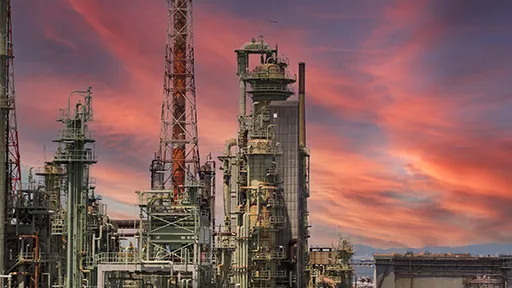
Infrastructure, Energy & Materials
Engineering analysis for critical assets
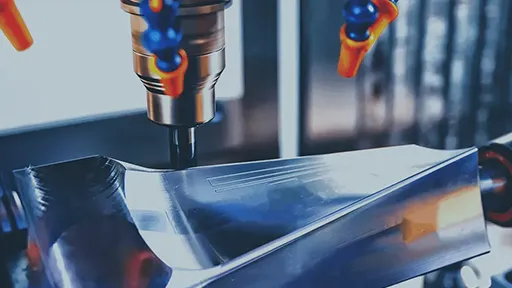
Manufacturing & Industrial Equipment
Product and process optimization

Transportation & Mobility
Performance and durability solutions

Aerospace & Defense
Advanced engineering validation
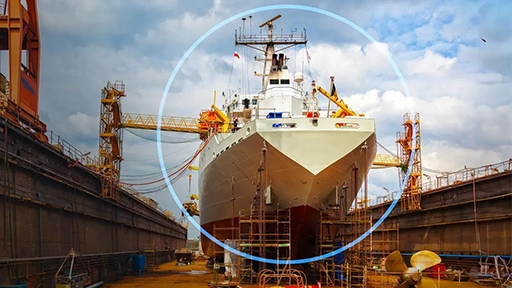
Marine & Offshore
Structural and offshore asset support

Life Sciences & Healthcare
Simulation for regulated products

Consumer Packaged Goods
Packaging and product performance
Codes & Standards We Work With
ENA2 performs fatigue and fracture analysis in accordance with recognized engineering standards and industry practices, including:
- API 579-1 / ASME FFS-1 – Fitness-for-Service
- ASME Boiler and Pressure Vessel Code
- ASME Fatigue Design Curves
- BS 7910 – Guide to Methods for Assessing Flaws
- ASTM Fracture Testing Standards (where applicable)
- Project-specific engineering requirements
Common Fatigue and Fracture Challenges We Help Solve
- Fatigue failure under cyclic loading
- Crack initiation and crack propagation assessment
- Weld fatigue evaluation
- Remaining service life estimation
- High-cycle and low-cycle fatigue assessment
- Stress concentration around critical features
- Failure investigation and root cause evaluation
- Structural durability improvement
Why Choose ENA2?
ENA2 combines advanced Finite Element Analysis (FEA), fatigue analysis, fracture analysis, and fracture mechanics expertise to help clients evaluate structural durability, predict component life, and improve reliability. Our engineering team supports projects across Canada and the United States with practical, code-informed engineering solutions.
Key Advantages
- Extensive fatigue and fracture analysis experience
- Advanced Abaqus-based FEA simulations
- Fracture mechanics expertise (LEFM & EPFM)
- Expertise in high cycle fatigue and low cycle fatigue analysis
- Remaining life prediction
- Detailed engineering reports
- Practical design improvement recommendations
- Engineering support across Canada and the United States
Deliverables and Insights
- Fatigue-safe design verification
- Flaw tolerance and crack growth modeling
- Remaining service life estimates
- Documentation in standardized Excel templates and simulation reports
Our fracture and fatigue evaluations reduce unplanned downtime, improve maintenance strategies, and support code-compliant decisions with a high degree of technical confidence.
Fatigue and Fracture Analysis FAQ
Learn how fatigue analysis and fracture mechanics help engineering teams evaluate cyclic damage, crack behavior, structural integrity, and remaining service life for critical industrial components.
Fatigue analysis evaluates how repeated or cyclic loading affects a component over time to estimate fatigue damage and service life, helping reduce the risk of premature failure.
Fracture analysis evaluates the behavior of existing or postulated cracks, including crack growth and flaw stability, using fracture mechanics principles to determine whether a component can continue operating safely.
Fatigue analysis estimates damage and service life under cyclic loading, including the period before crack initiation. Fracture analysis uses fracture mechanics to assess existing or postulated cracks and determine their effect on structural integrity and remaining service life.
Yes. ENA2 provides fatigue analysis services for pressure vessels, welded structures, rotating equipment, and other critical industrial components using advanced finite element analysis (FEA).
High-cycle fatigue typically occurs under relatively low stress, primarily elastic response, and a large number of loading cycles. Low-cycle fatigue involves higher stress or strain levels, fewer loading cycles, and significant plastic deformation.
Fracture mechanics is the engineering discipline used to evaluate crack behavior, flaw stability, and crack propagation. ENA2 applies linear elastic fracture mechanics (LEFM) and elastic-plastic fracture mechanics (EPFM) to support fracture assessments.
Useful starting information may include drawings or CAD models, material properties, loading conditions, load-cycle history, operating pressures and temperatures, weld details, inspection records, and the size and location of any known flaws or cracks. ENA2 can review the available information and help define the appropriate assessment scope.
Yes. ENA2 provides fatigue analysis, fracture analysis, and engineering consulting services for clients across Canada and the United States.
Interested in Fatigue or Fracture Analysis?
We’re Here to Solve Your
Mechanical Fatigue or Fracture Challanges