Transient Flow Engineering
Water Hammer, Surge & Transient Hydraulic Scenarios We Evaluate
ENA2 helps engineering teams identify damaging pressure transients, vapor cavitation, column separation, valve events, pump trip conditions, and surge protection requirements before they lead to pipe fatigue, equipment damage, or unplanned shutdowns.
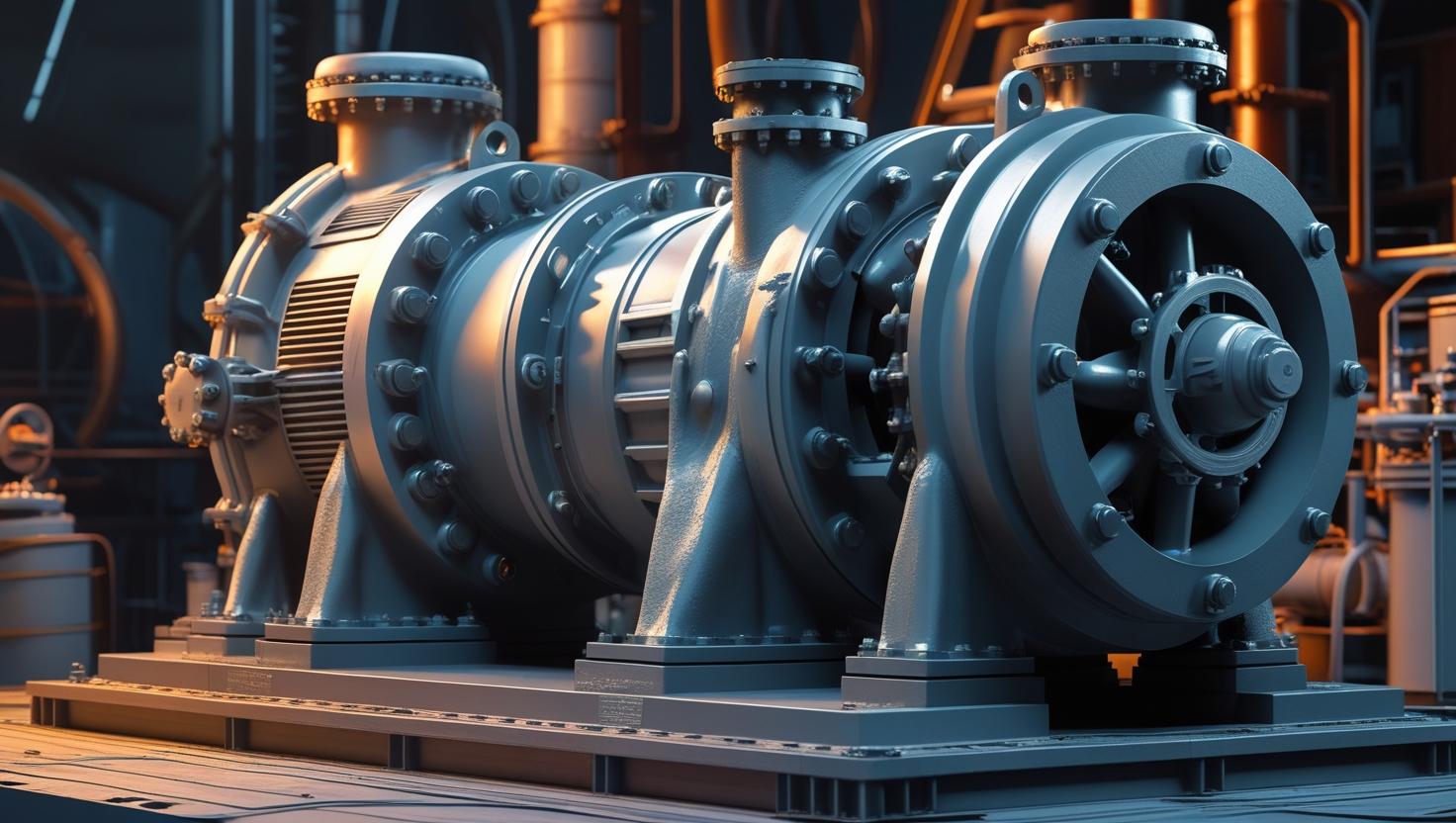 Pump Startup & Shutdown Analysis
Evaluate pump trip, startup sequences, shutdown conditions, pressure waves, and surge control needs.
Pump Startup & Shutdown Analysis
Evaluate pump trip, startup sequences, shutdown conditions, pressure waves, and surge control needs.
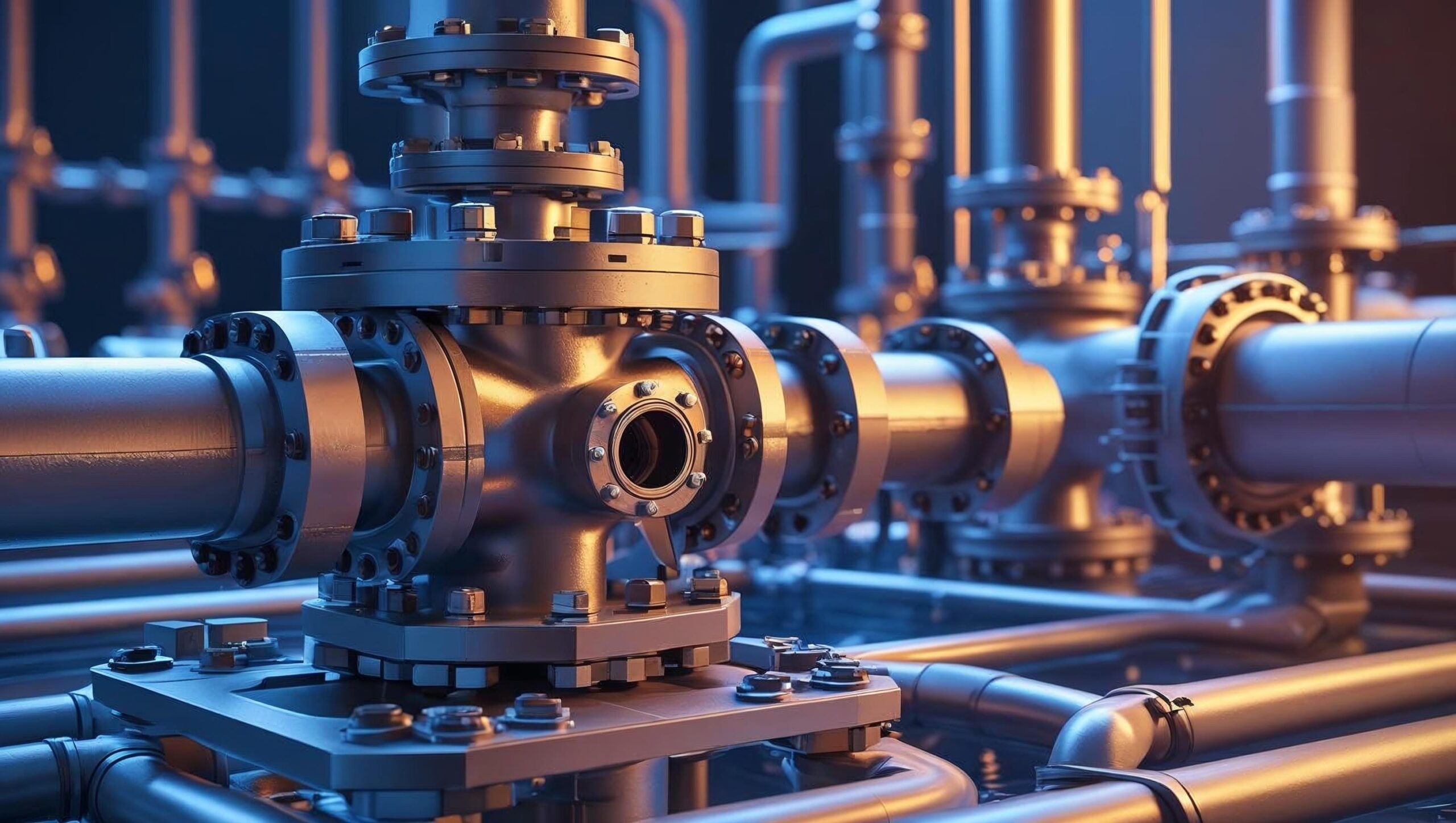 Valve Closure & Opening Analysis
Assess valve timing, rapid closure, flow reversal, transient pressure response, and operating procedures.
Valve Closure & Opening Analysis
Assess valve timing, rapid closure, flow reversal, transient pressure response, and operating procedures.
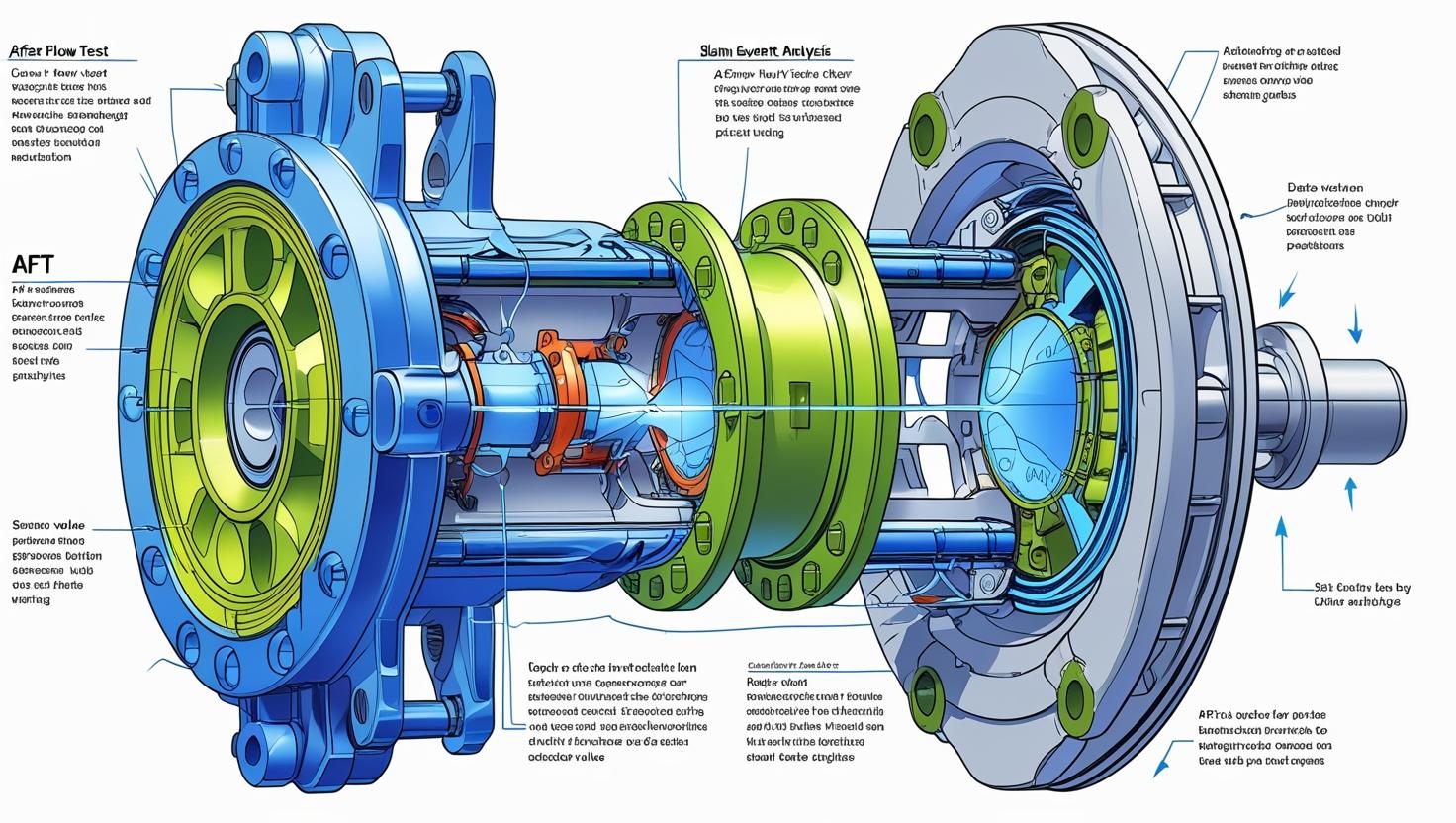 Check Valve Slam Analysis
Review reverse flow, valve slam, high-pressure spikes, pump protection, and dynamic valve behavior.
Check Valve Slam Analysis
Review reverse flow, valve slam, high-pressure spikes, pump protection, and dynamic valve behavior.
 Vapor Cavitation & Column Separation
Identify low-pressure zones, vapor cavity formation, pressure collapse, fatigue risk, and damaging surge conditions.
Vapor Cavitation & Column Separation
Identify low-pressure zones, vapor cavity formation, pressure collapse, fatigue risk, and damaging surge conditions.
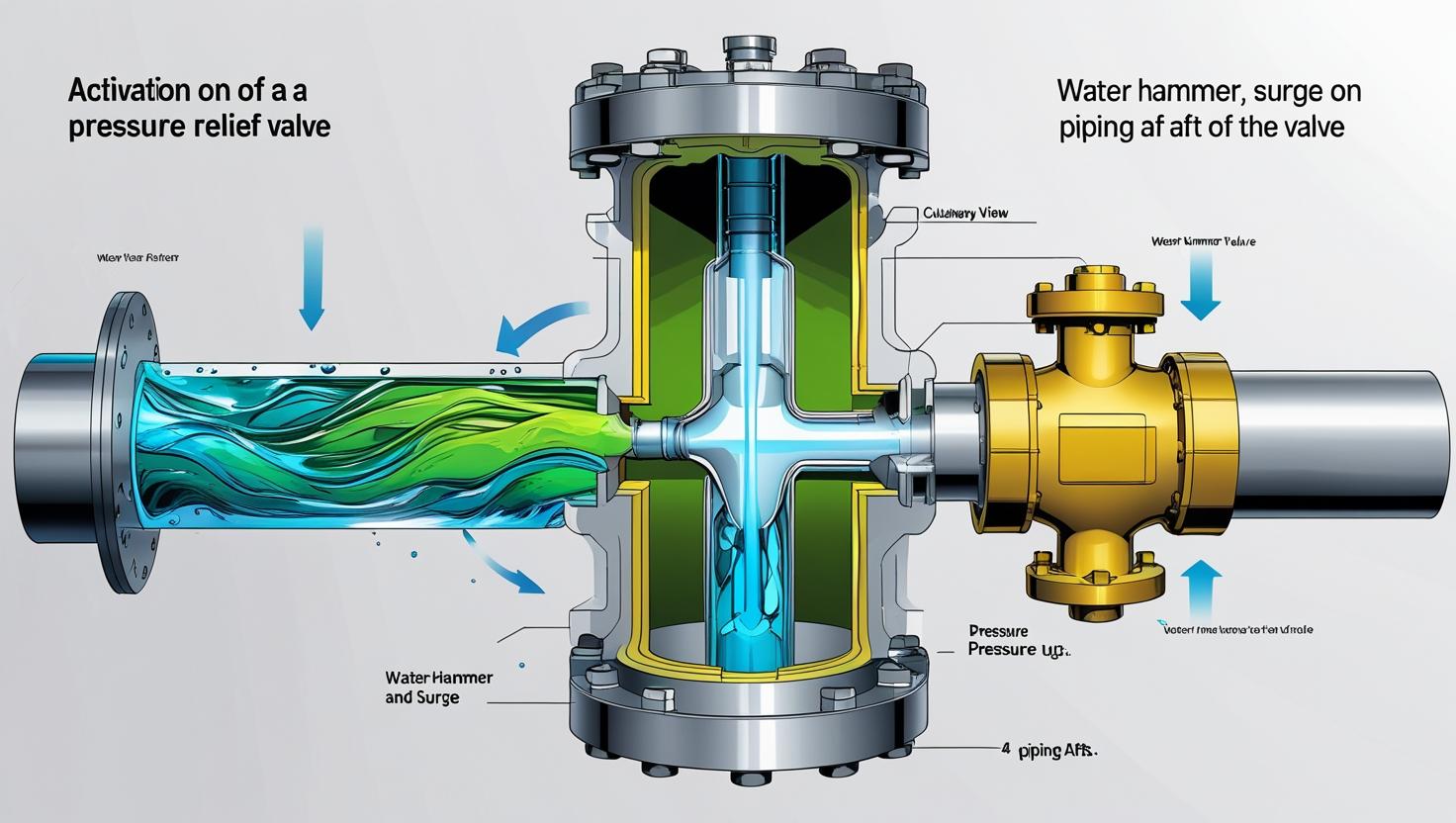 Pressure Relief Valve Activation
Model relief valve response, surge relief timing, transient pressure limits, and protection system behavior.
Pressure Relief Valve Activation
Model relief valve response, surge relief timing, transient pressure limits, and protection system behavior.
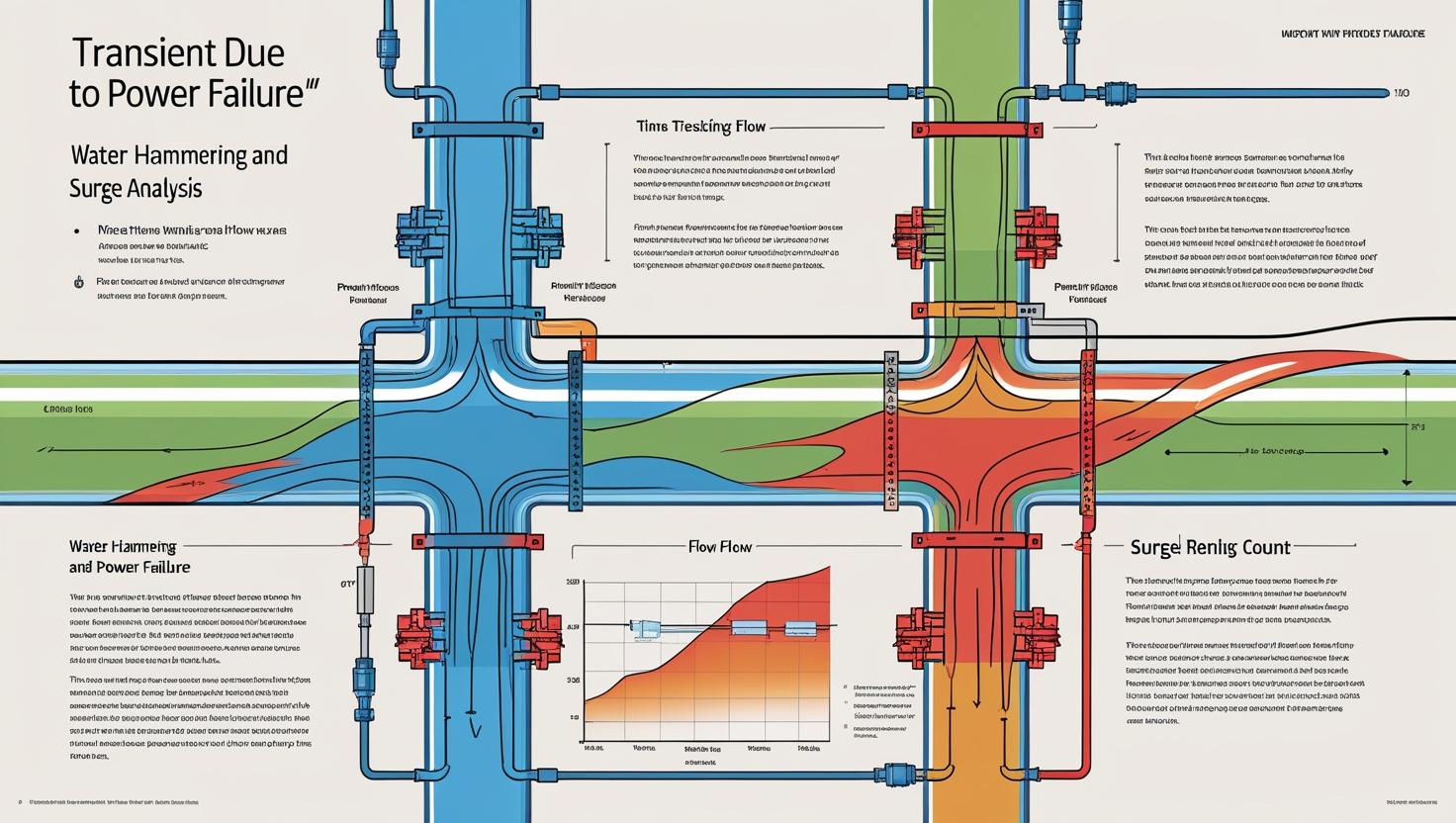 Transient Due to Power Failure
Simulate pump trip, emergency shutdown, flow reversal, pressure waves, and surge mitigation scenarios.
Transient Due to Power Failure
Simulate pump trip, emergency shutdown, flow reversal, pressure waves, and surge mitigation scenarios.
01
Pressure Surge Review
Maximum and minimum transient pressures, low-pressure zones, and surge wave behavior.
02
Mitigation Strategy
Surge vessels, relief valves, accumulators, air valves, valve timing, and operating logic.
03
Engineering Reporting
Clear results, risk areas, design recommendations, and documentation for review.
Need to evaluate a pump station, pipeline, or process piping transient?
Discuss Your Project
 Building, Facility & Construction
Structural and simulation support
Building, Facility & Construction
Structural and simulation support
 Infrastructure, Energy & Materials
Engineering analysis for critical assets
Infrastructure, Energy & Materials
Engineering analysis for critical assets
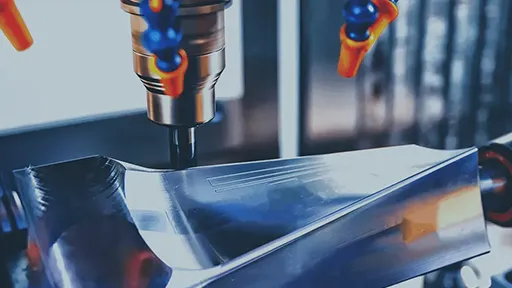 Manufacturing & Industrial Equipment
Product and process optimization
Manufacturing & Industrial Equipment
Product and process optimization
 Transportation & Mobility
Performance and durability solutions
Transportation & Mobility
Performance and durability solutions
 Aerospace & Defense
Advanced engineering validation
Aerospace & Defense
Advanced engineering validation
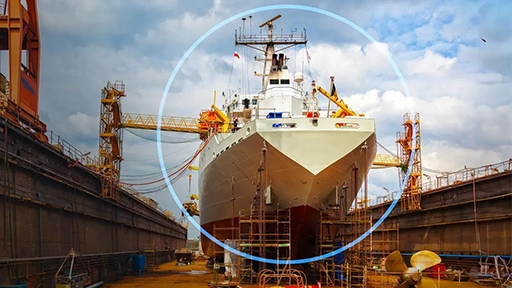 Marine & Offshore
Structural and offshore asset support
Marine & Offshore
Structural and offshore asset support
 Life Sciences & Healthcare
Simulation for regulated products
Life Sciences & Healthcare
Simulation for regulated products
 Consumer Packaged Goods
Packaging and product performance
Consumer Packaged Goods
Packaging and product performance