
Piping Stress Analysis Services and Pipe Stress Engineering Capabilities
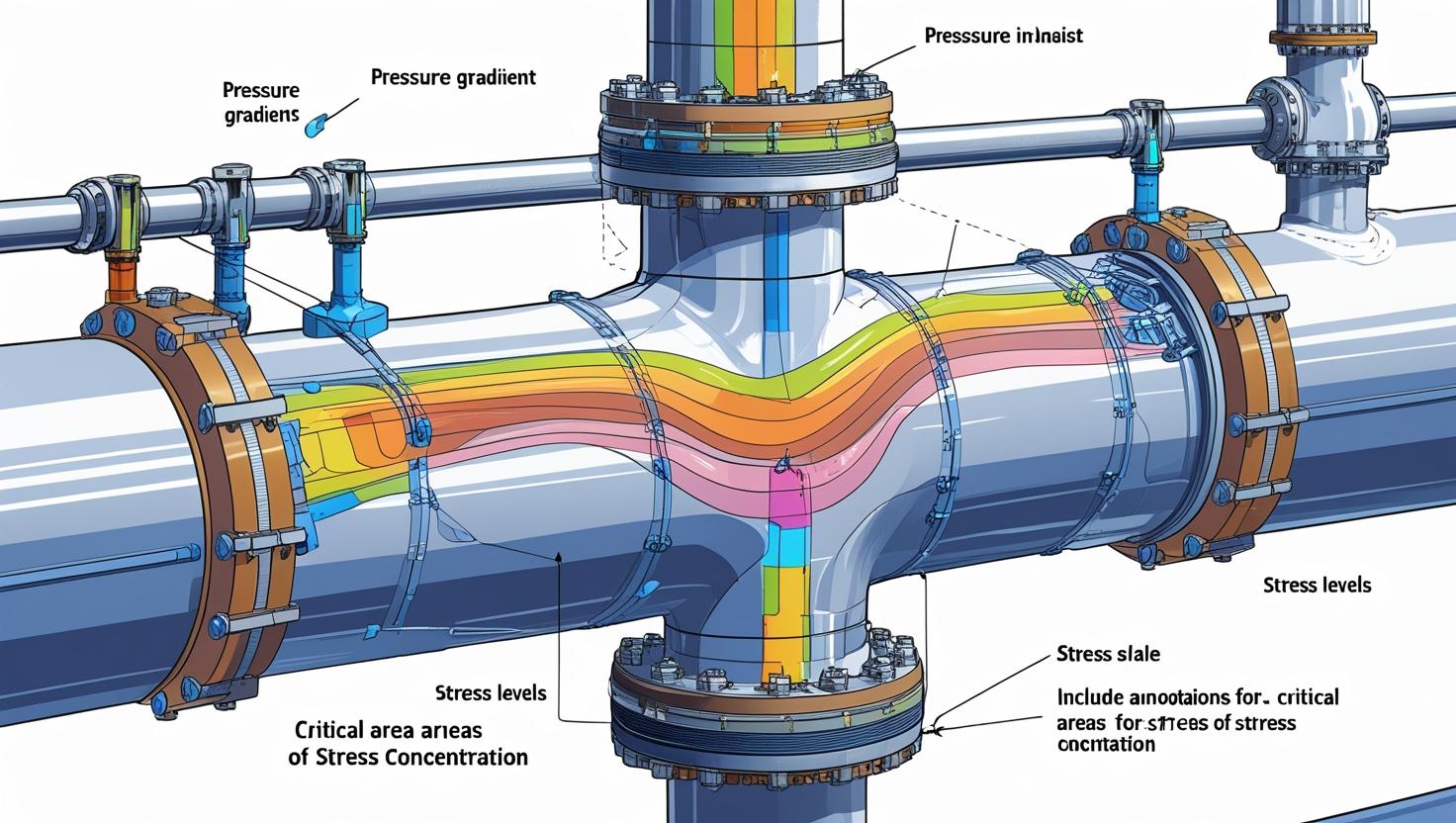 Static & Dynamic Stress Analysis
Evaluate pipe stress, displacement, vibration, thermal loads, and dynamic response under operating conditions
Static & Dynamic Stress Analysis
Evaluate pipe stress, displacement, vibration, thermal loads, and dynamic response under operating conditions
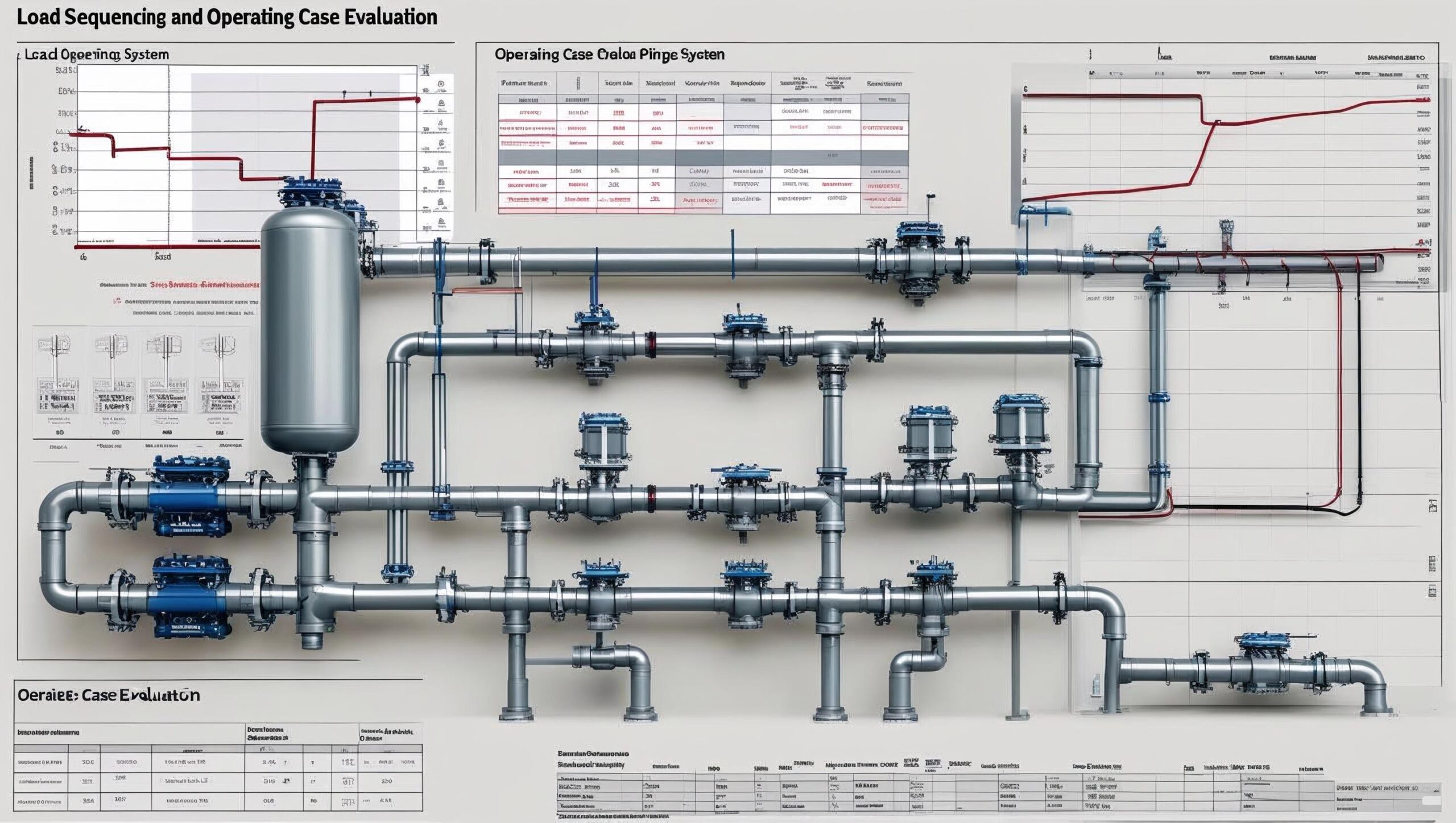 Load Sequencing & Operating Case Evaluation
Review startup, shutdown, sustained, occasional, expansion, and operating load combinations
Load Sequencing & Operating Case Evaluation
Review startup, shutdown, sustained, occasional, expansion, and operating load combinations
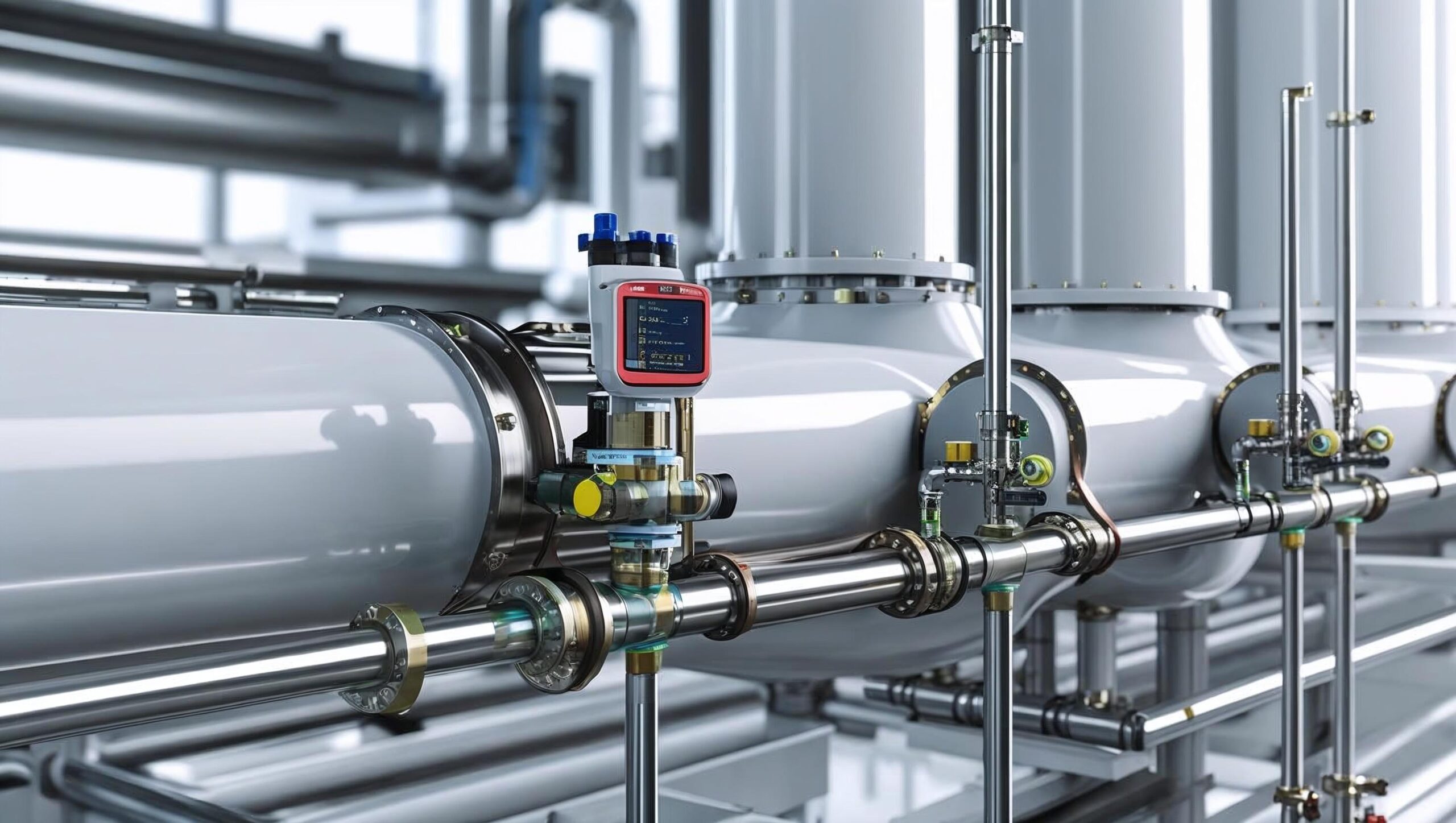 Thermal Expansion & Contraction Analysis
Assess thermal movement, anchor loads, flexibility, restraint forces, and expansion stress ranges
Thermal Expansion & Contraction Analysis
Assess thermal movement, anchor loads, flexibility, restraint forces, and expansion stress ranges
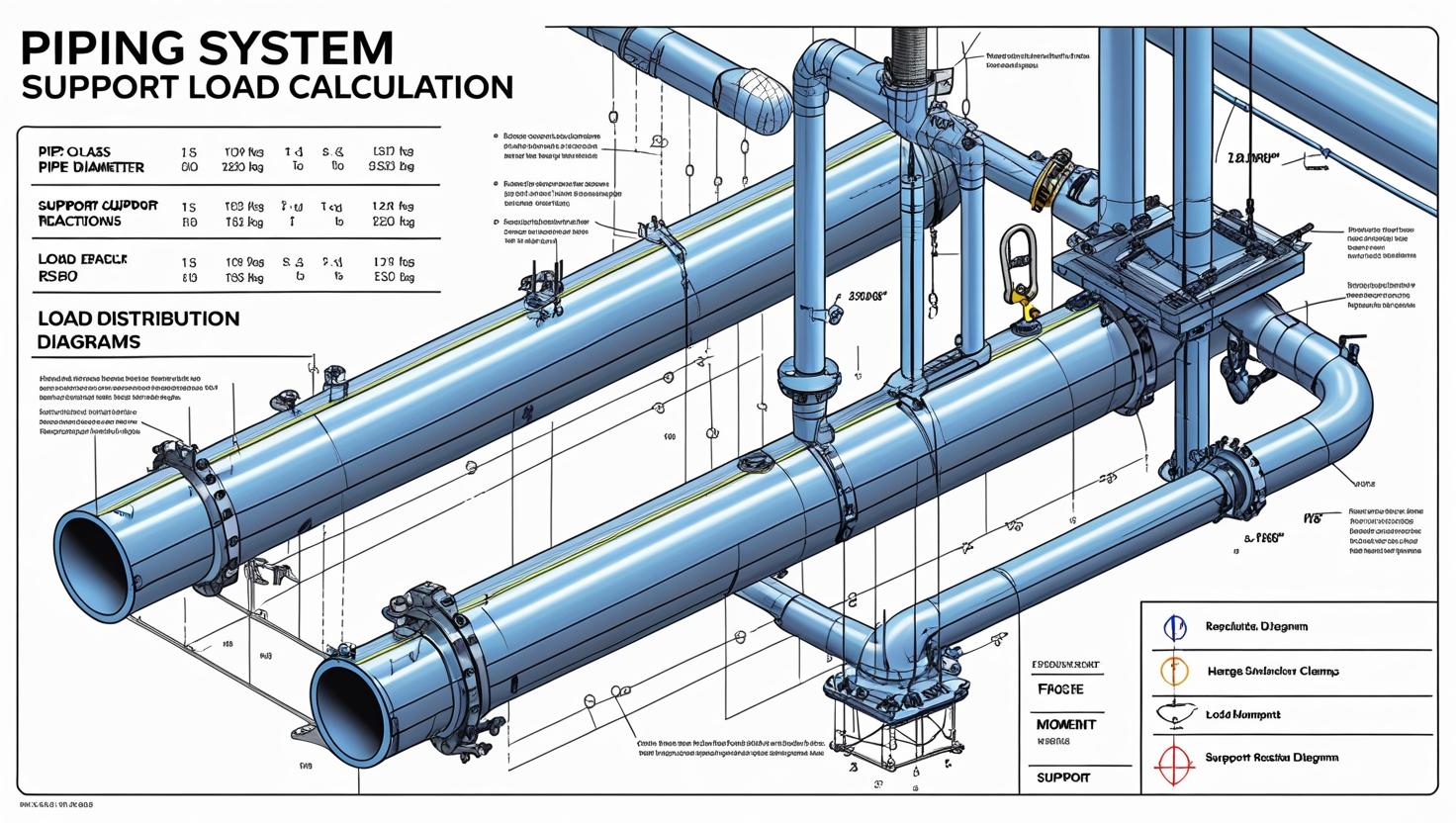 Support Load Calculation
Determine support reactions, hanger loads, guide loads, anchor forces, and equipment nozzle loads
Support Load Calculation
Determine support reactions, hanger loads, guide loads, anchor forces, and equipment nozzle loads
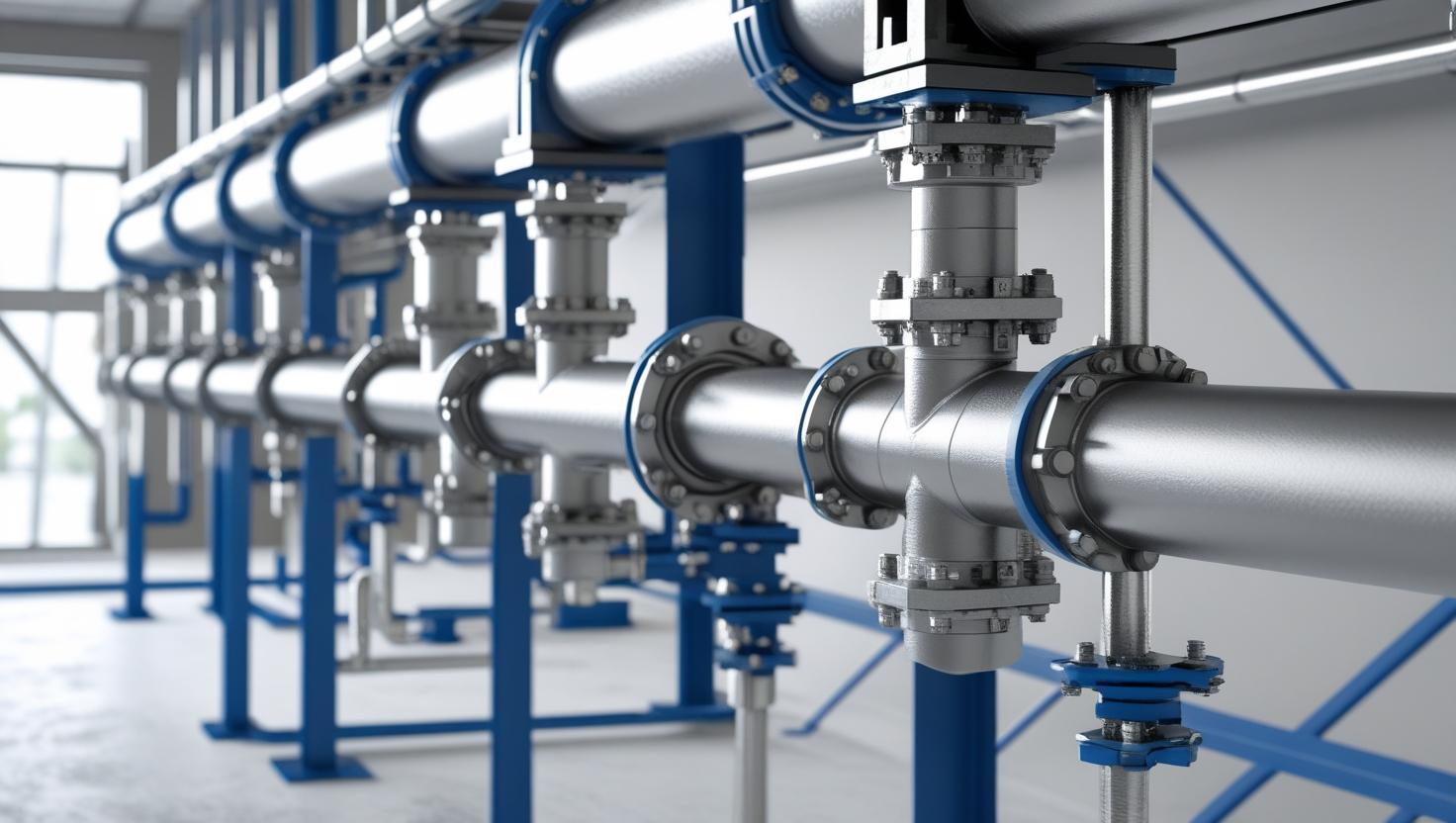 Pipe Span & Support Optimization
Optimize support spacing, reduce overstress, control deflection, and improve piping system reliability
Pipe Span & Support Optimization
Optimize support spacing, reduce overstress, control deflection, and improve piping system reliability
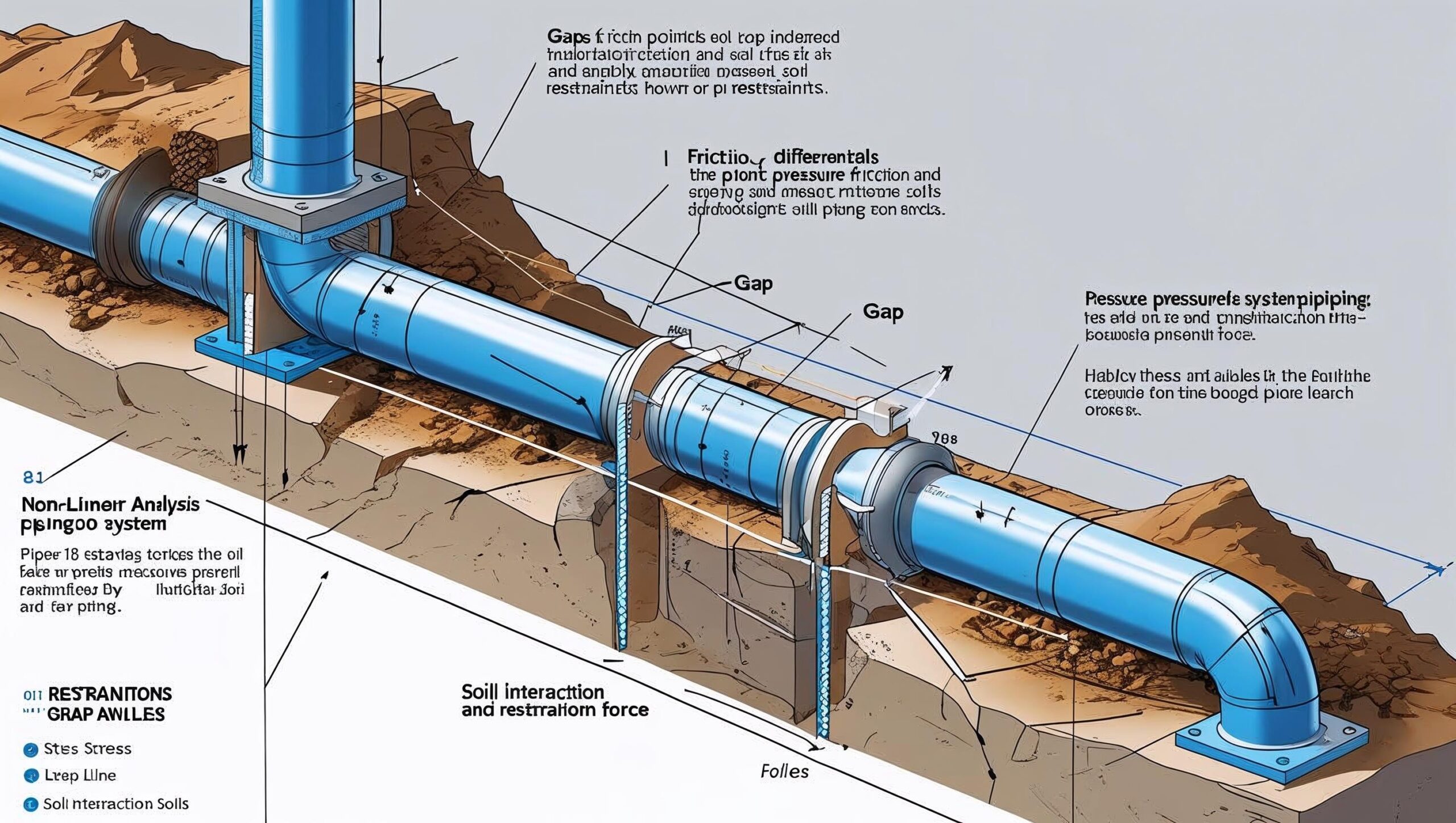 Nonlinear Analysis: Gaps, Friction & Soil Restraints
Model realistic restraint behavior, support gaps, friction effects, buried piping, and soil interaction
Nonlinear Analysis: Gaps, Friction & Soil Restraints
Model realistic restraint behavior, support gaps, friction effects, buried piping, and soil interaction
Detailed Scope of Piping Stress Analysis
ENA2 evaluates piping systems under real operating, thermal, sustained, occasional, and dynamic load conditions to support safer layouts, reliable supports, and code-aligned engineering decisions.
Thermal Expansion & Flexibility Analysis
Review thermal growth, contraction, expansion stress ranges, anchor reactions, and flexibility requirements.
Sustained & Operating Load Analysis
Evaluate pipe weight, pressure, insulation, fittings, operating conditions, and service load combinations.
Occasional Load Analysis
Assess wind, seismic, accidental, and occasional load cases for stability and code compliance.
Equipment Nozzle Load Verification
Check nozzle loads for pumps, compressors, turbines, vessels, and heat exchangers against allowable limits.
Support Load Calculations
Calculate hanger loads, guide loads, anchor forces, support reactions, and restraint conditions.
Vibration & Dynamic Analysis
Identify vibration risks from flow-induced excitation, acoustic resonance, rotating equipment, and transient events.
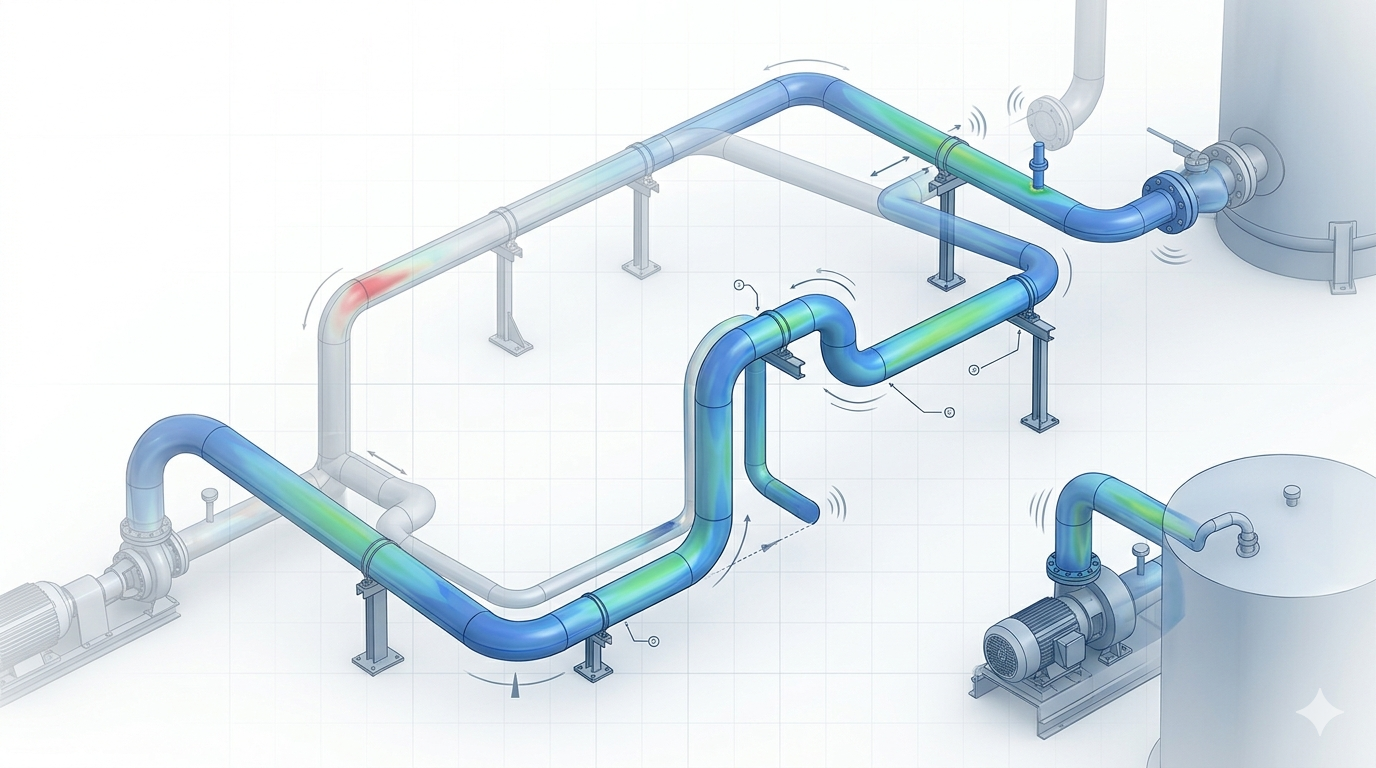

Why Choose Our Piping Stress Analysis Services?
ENA2 helps engineering teams evaluate pipe stress, thermal expansion, support reactions, equipment nozzle loads, vibration risk, and code compliance for safer and more reliable piping systems.
Improved Safety
Identify overstress, excessive displacement, unstable supports, and high-risk operating conditions before leaks, ruptures, or structural failures occur.
Reduced Downtime
Optimize piping flexibility, support configuration, and load paths to reduce operational issues, maintenance interruptions, and unplanned outages.
Cost Optimization
Reduce rework, prevent over-design, improve support placement, and avoid unnecessary material or construction costs through early stress analysis.
Equipment Protection
Verify nozzle loads, anchor forces, and restraint reactions to help protect pumps, compressors, turbines, vessels, and heat exchangers.
Engineering Expertise
ENA2 combines pipe stress software capability with real-world engineering judgment, helping clients receive practical recommendations instead of only software-generated reports.
 Building, Facility & Construction
Structural and simulation support
Building, Facility & Construction
Structural and simulation support
 Infrastructure, Energy & Materials
Engineering analysis for critical assets
Infrastructure, Energy & Materials
Engineering analysis for critical assets
 Manufacturing & Industrial Equipment
Product and process optimization
Manufacturing & Industrial Equipment
Product and process optimization
 Transportation & Mobility
Performance and durability solutions
Transportation & Mobility
Performance and durability solutions
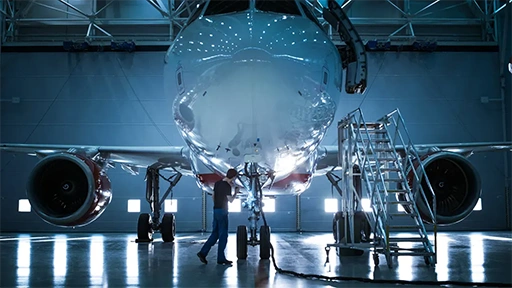 Aerospace & Defense
Advanced engineering validation
Aerospace & Defense
Advanced engineering validation
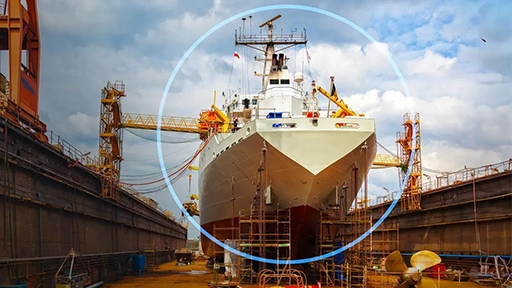 Marine & Offshore
Structural and offshore asset support
Marine & Offshore
Structural and offshore asset support
 Life Sciences & Healthcare
Simulation for regulated products
Life Sciences & Healthcare
Simulation for regulated products
 Consumer Packaged Goods
Packaging and product performance
Consumer Packaged Goods
Packaging and product performance
Case Studies
 Structural Integrity
Structural Integrity Assessment of ERW Seam Flaws
 Structural FEA
Improving Lateral Stiffness of Composite Wall Systems Through Vertical Reinforcement
 Impact Analysis
Frontal Impact Assessment of Driver Cabin in Bus Structure
 Nonlinear FEA
3D Nonlinear FEA Analysis of Pin-Column Connection
 CFD Erosion
CFD Analysis for Predicting Erosion due to Slurry in Spoolable Pipe Connection
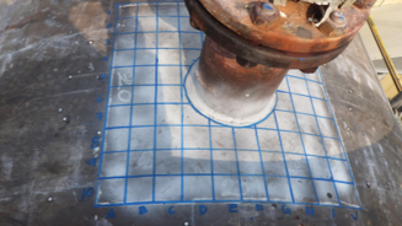 Fitness-for-Service
Fitness-For-Service Assessment of DEA Reboiler
 Fatigue Assessment
Fatigue Life Assessment of a Blow-Case Pressure Vessel
 Dynamic Stress